Top Vegetarian Foods and Meals for Effective Fat Burning
Introduction
Folks have been curious about plant based eating lately, especially how it might help burn fat. Though meat is left out, smart choices on veggies, grains, and legumes still lead to losing extra pounds. This way of eating revs up metabolism while doing good things for the heart. Long term it lowers chances of long term illness, so more people are giving it a try. Plenty of plants fill a vegetarian plate think fruit, greens, beans, grains, nuts, seeds. Usually light on calories, yet packed with what bodies need to thrive day by day. Because they fuel both energy and fullness, shifting weight becomes less effort over time. Fiber shows up everywhere in these meals, slowing down hunger’s return without drama. Full bellies happen naturally when food keeps giving instead of just taking space.
Starting with simple plant-based choices, this article offers meals anyone can try, whether new to eating meat free or training hard for sports. Instead of skipping meals, swapping in whole grains, legumes, and fresh produce helps the body burn fat better. Rather than focusing on restriction, adding colorful vegetables and quality proteins supports energy levels throughout the day. Without depending on extreme changes, steady improvements in food selection keep metabolism active while nourishing cells deeply. Even small shifts like choosing beans over burgers deliver lasting benefits behind the scenes.
A switch to plant based eating might begin for many reasons body goals, planet care, ethics it often brings deep satisfaction. This look into meals that support fat loss uses real food choices shaped by those motives. Each idea here fits within a larger move toward balanced living, offering clarity without confusion along the way.
Understand first about the Vegetarian Diets and Losing Body Fat or weight Loss
Skipping meat defines vegetarian eating, sometimes avoiding all animal-based foods too. Better health drives many toward this way of life, others care deeply about how animals are treated. Some choose it because Earth benefits when fewer livestock are raised. Shifting plates like this often helps people shed extra weight while feeling more alive each day. Plants shape how bodies shed fat, simply because what grows from soil often carries fewer calories. Fruits show up with fiber, veggies bring volume without heaviness, beans pack protein minus grease. Whole grains roll in slowly, keeping fullness longer than processed stuff ever could. Nuts surprise with richness but still behave when eaten in check. Seeds scatter nutrition across meals like tiny sparks. When meals stack up light on oil yet rich in vitamins, hunger fades without sacrifice. The body then turns inward, pulling fuel from stored pockets instead of fresh intake. That shift quiet and steady is where real change takes root.
Most folks burn fat when they move more energy than they take in. That gap means the body taps into fat stores for fuel, slowly shrinking them. Some plant-based picks lend a hand here thanks to fiber that fills you up without piling on calories. Fullness lasts longer when blood sugars stay steady. Fewer spikes mean fewer urges to snack between meals. Some plant-based items light up your internal furnace, simply because digesting them burns extra fuel. Take beans packed with building blocks for muscles they crank up calorie burn just by being processed. A mix of meat-free picks on your plate brings good stuff your body craves while quietly revving the metabolic engine. This quiet boost? It nudges fat loss forward without drama.
Foods with Rich Nutrient That Help Burn Fat
Full of nutrients, these foods sit at the heart of smart eating when trimming body fat especially if plants make up your plate. Packed with vitamins, minerals, and fiber, yet light on calories, they deliver bulk without overload. Because of that, hunger fades but intake stays in check. Portion size grows while energy balance holds steady helping shift stored fat over time. Take spinach, kale, or Swiss chard these leafy greens stand out among plant-based foods for their strong nutritional punch. Loaded with vital nutrients like vitamins A, C, and K, they deliver big benefits without adding many calories. Because they carry plenty of antioxidants, the body gets help staying balanced and running smoothly. Fiber shows up in large amounts too, helping the digestive system move things along while curbing hunger naturally. Staying satisfied longer ? That often means easier control over daily food choices. Broccoli, cauliflower, or even Brussels sprouts pack just as much nourishment as other superfoods. Because they rev up metabolism, these greens help the body clear out unwanted substances more efficiently. With so few calories yet rich in vitamins, eating larger portions becomes possible while staying on track. Their natural makeup supports weight management by offering bulk minus the extra energy.
Starting strong with lentils, chickpeas, yet also black beans these bring solid plant protein along fiber. Muscle stays intact during fat loss thanks to their support, besides boosting fullness noticeably. Reaching lower body fat ? These foods fit well into that picture. Vital stuff like iron, plus folate slips in too, quietly fueling energy needs and keeping bodily functions on track. Foods packed with nutrients fit well into a plant based eating plan, fueling metabolism while boosting daily nourishment. Picking items high in vitamins yet light on calories helps reshape what ends up on the plate. This shift adds up over time, guiding someone nearer to shedding body fat without skipping meals or missing key elements. Balance stays intact when smart picks become routine.
The Vegetarian Meals High Protein
Starting the day with plant based proteins might just shift how your body uses energy. When you eat these foods, muscles recover faster after activity. Fullness lasts longer when protein fills the plate instead of starches. Digesting it burns more calories compared to simpler carbs. That extra effort during breakdown supports gradual changes in body composition. Meals built around lentils, tofu, or beans keep things steady without spikes. Fiber packed and rich in protein, beans stand out among plant based foods. Lentils join them closely, supporting digestion while keeping hunger at bay. Chickpeas bring texture plus sustained energy to meals they’re part of. Full flavored and filling, a bowl of chili built on these ingredients satisfies without effort. Burn slows when fullness lasts this dish helps it stay efficient.
Luckily, tofu brings solid protein without meat on the plate. Soybeans turn into it, just like they do for tempeh. One night you might toss cubes into a hot pan alongside peppers, broccoli, carrots. Try that mix over quinoa instead of rice fills you up while feeding muscles what they need. Eating this way helps keep energy steady, trim body fat slowly. Tiny seeds called quinoa pack a serious protein punch for those skipping meat. Unlike many plant foods, this one delivers every essential amino acid your body needs. Picture a bowl where fluffy quinoa tumbles together with crisp veggies, crunchy nuts, brightened by tangy lemon dressing. Each bite brings more than just flavor healthy fats join forces with vitamins inside each forkful. What sits on the plate looks simple, yet feeds the body deeply. When you lift weights often, getting extra protein matters more. Plant-based powders fit right into that plan. Try mixing them into your morning oats instead of just tossing them in a shake. Baking ? They work there too stir one scoop into muffin batter. Each serving nudges your total higher without changing how you eat. More protein like this helps hold muscle when cutting body fat.
Incorporating Fiber Rich Foods
Full bellies often come from plants packed with fiber. Eating these during a meat free eating plan helps slow down hunger later on. Because of that, meals stick around longer in your gut, making digestion smoother. That bulk moves things along quietly behind the scenes. When food stays put just long enough, it gives energy a steady release. Less snacking tends to follow. With fewer calories sneaking in, shedding extra weight becomes easier. Most high fiber picks grow from soil vegetables, beans, grains, fruits. They do their job without fanfare. Whole grains often lead the pack among plant based foods packed with fiber. Take quinoa, brown rice, or oatmeal each brings bulk to meals without much fuss. Oats join whole wheat bread in raising daily fiber levels quietly but well. Beyond those, fruits step in with quiet strength: apples, pears, and mixed berries do their part without drawing attention. Vegetables work just as hard behind the scenes think broccoli, carrots, or spinach adding more than color. Each bite pulls double duty, feeding gut health while passing on vitamins at the same time.
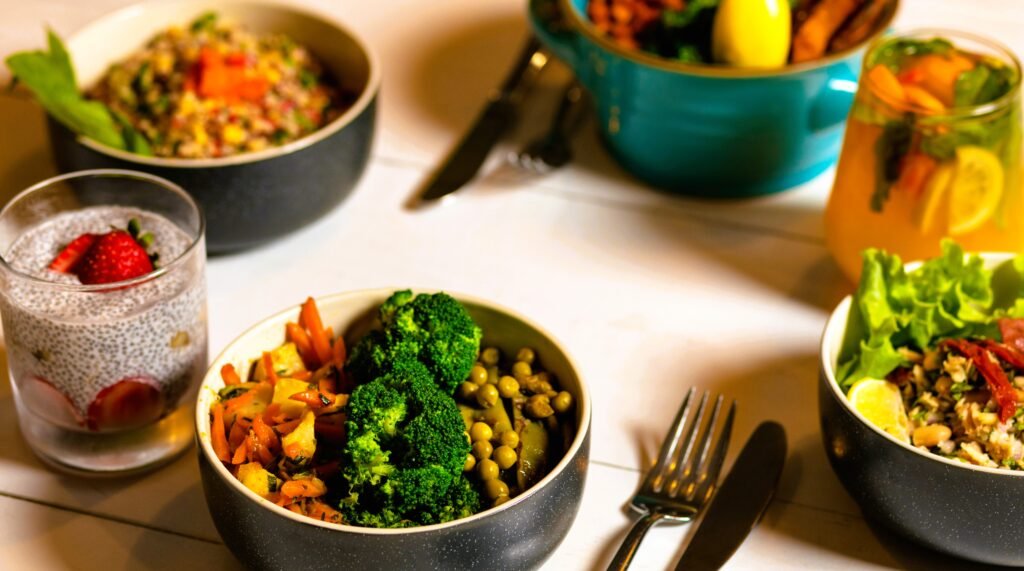
Start morning right by mixing oats with fruit and seeds simple, tasty, one bowl. Lunch might unfold across a bed of leafy greens, scattered with beans, grains, and bright chopped veggies. Evening lightens up in a pan: rice sizzles alongside broccoli, peppers, and soft cubes of soy-based protein. Fiber slips into daily routines more easily when snacks are chosen wisely. Think carrot spears dipped in creamy hummus, a small pile of almonds, or a drink made with banana, berries, and leafy greens hiding inside. These picks add bulk that helps you feel steady until the next meal rolls around. Fiber filled meals tend to keep things moving smoothly through the gut, while also helping people stay full longer. Because of this, managing body weight becomes more doable over time. Choosing plant-based items like beans, whole grains, or vegetables means fueling the body with what it often needs most. Preparation matters just as much as selection – steaming, roasting, or soaking these foods preserves their natural benefits. Over weeks, small choices add up quietly, shaping routines that feel less forced, more routine. Reaching fat loss targets might not happen overnight, yet consistency with such foods builds momentum without drama.
Healthy Fats for Steady Energy
Every now and then, people forget how much a vegetarian plan needs good fats just to keep going throughout the day. These kinds of fats do far more than fuel movement they help your mind stay sharp plus guide hormones through their daily routines. While junk snacks pack harmful trans versions made in factories, real fats come from natural sources that quietly back up wellness behind the scenes. When you move your body or simply sit thinking, those useful lipids work without noise or notice. One last thing try making meals that keep well in the freezer. Dishes like veggie soups, stews, or baked trays often hold their taste and nutrients even after weeks of freezing. When you weave these habits into daily life, plant-based eaters find it easier to enjoy tasty food that supports metabolism along with long term wellness.
Common challenges and solutions
Starting a plant based eating plan might help burn fat, yet hurdles show up too. Protein needs tend to trip people up first. When goals include gaining strength or shedding pounds, hitting daily targets without meat gets complicated. Filling plates with enough high protein options feels out of reach sometimes. One way to meet this need ? Try mixing in more lentils, chickpeas, or quinoa at meals. Edamame works well too so do most nuts when you want something simple. For extra support between meals, some turn to plant-powered shakes without much fuss. These blends often help keep levels steady through the day. Meals might start feeling like repeats after a while. Sticking to plant based eating could nudge some toward meat dishes just for change. Trying different world kitchens helps think curries, mezze platters, or coconut rich stir fries. Spices dance differently across regions, turning simple ingredients into something worth finishing. A lentil today can taste nothing like yesterday if fire, herbs, and technique shift. Starting ahead with meals makes sense; spending hours cooking several options at once keeps dinners different. Because of this method, eating repeats less often while good choices stay close, so packaged meat-free picks lose their appeal.
When it comes to filling possible gaps in nutrients especially vitamin B12, iron, or omega-3s – vegetarians aiming to burn fat need to pay attention. Fortified items or well chosen supplements might help keep things in balance. Pairing plant sources of iron with bell peppers or oranges could make a difference because those boost uptake. Sticking with fresh ideas in meals, plus small tweaks like these, helps meet goals without straying from personal eating habits.
FAQS Frequently Asked Questions on Vegetarian Eating and Losing Body Fat
Folks choosing meat free diets often wonder, does skipping animal products really trim body fat ? Peeling back layers of habit, science, and culture reveals mixed signals. Clarity begins by untangling myths from measurable outcomes.
Q 1. Can a vegetarian diet help with weight loss ?
A full plate of beans, greens, oats, and berries can shift the body toward shedding extra pounds. When meals center on real ingredients like lentils, carrots, apples, and brown rice, energy levels stay steady while fat stores drop. One bite at a time, nourishment builds from earth grown items that also lighten the frame. Choices rooted in plants often lead to slimmer waistlines without missing key vitamins or strength.
Q 2. Are vegetarian diets lacking in protein ?
Most people wrongly assume plant based eating lacks enough protein, yet plenty of options cover that need. Beans show up strong here, along with lentils bringing steady support. Quinoa steps in with a solid contribution, while tofu adds smooth versatility. Tempeh holds its ground with texture and substance, then seitan rounds things out with intensity. Each fits naturally within daily meals without fuss or fanfare.
Q 3. What about key nourishment for those who skip meat? Could their meals truly cover what bodies need ?
Folks who skip meat might still get everything their body needs so long as meals are thought through. Vitamin B12, iron, calcium, and omega-3s need a bit more focus; these show up in enriched products, dark green veggies, nuts, seeds, or supplements made from algae. While some nutrients aren’t always abundant in plant-only fare, smart choices fill the gaps without fuss.
Q 4. What about those packaged meatless meals could they fit into a healthy diet ?
Though packaged meat free meals offer ease, eating too many might backfire. Some are loaded with salt, sweeteners, or bad fats slowing down progress if you’re trying to shed pounds. Choosing natural options instead tends to support better results when trimming body fat.
Q 5. How can I ensure I’m burning fat on a vegetarian diet ?
Fat loss works best when meals mix carbs, protein, and fats in sensible portions hitting that balance matters more than chasing extremes. Eating fewer calories than you burn sets the stage, yet movement keeps things moving. Daily walks, lifting, or stretching shift how your body uses energy. Foods like beans, oats, and broccoli fill you up without loading on calories, simply because they take longer to chew and digest. Fullness lasts longer not magic, just mechanics. When folks look into these common questions, they start seeing how plant based eating might help shed body fat. Learning about food choices matters especially when those choices match what someone truly wants to achieve.
Conclusion
Every bite of green spinach pulls double duty, feeding your cells while quietly torching stored energy. Swapping animal proteins for beans shifts the balance inside you, one meal at a time. Brown rice arrives slowly in the bloodstream, keeping hunger from sneaking up midday. Almonds crack open with magnesium, helping muscles stay ready even during stillness. Chia seeds swell in liquid, turning into tiny sponges that stretch fullness longer than expected. Broccoli florets carry sulfur compounds that assist the liver without asking for praise. Lentils simmered slowly deliver iron straight to tired tissues needing quiet repair. Kale crunches loud, yet its fiber moves through silently, cleaning paths most never notice. Quinoa stands apart grain like but complete as amino acids line up like soldiers after each forkful. Pumpkin seeds bring zinc, often overlooked until it’s missing. Whole oats roll out steady fuel, flattening spikes before they rise. Peanuts not technically nuts still hand over protein with zero fanfare. Artichokes unfold their layers to release compounds nudging metabolism forward. Cabbage ferments softly into sauerkraut, seeding guts with helpers that digest more than just food. Sweet potatoes burn orange against white plates, loading vitamin A deep into reserves. Tofu absorbs flavors easily, becoming whatever the body craves on any given night.
Trying different plant based dishes brings in good amounts of protein and fiber, which help keep digestion running smoothly. When people watch how much they eat and choose foods packed with nutrients, tasty meals stay within reach without piling on calories. These recipe suggestions highlight how flexible meat-free cooking can be, showing that eating well doesn’t mean sacrificing flavor or results when aiming to lose fat. Choosing a plant based way of eating to help burn fat does more than manage body weight – it ties into living in a way that supports the planet. Exploring the range of meals shared here might lead you toward new flavors shaped by your own likes. Trying out these options opens doors to satisfying foods that support lasting health without losing flavor along the way. Take avocados they pack lots of good fat along with fiber, potassium, vitamin E, plus K. Eating them brings depth to flavor, keeps you full longer too. Toss slices into a salad, mash onto grain rich bread, even swirl one into a drink for richness without the grit.
Fresh from nature, almonds along with walnuts bring solid energy, while chia plus flax deliver quiet strength in tiny packages. Crunch them straight, blend into portable mixes, or scatter across bowls of greens and creamy dairy for texture that matters. A rotation of these little powerhouses keeps your body fed with shifting waves of nourishment fueling metabolism without flash or fuss. Fats from olives bring goodness to meals in quiet ways. Known to ease inflammation, this liquid gold shows up often on plates across southern Europe. Drizzle it on greens. Or let it sizzle softly under heat when food meets the pan. To add richness without harm, mix crushed nuts into morning oats, blend avocados until smooth for dipping, or shake together herbs and olive oil in a jar for dressing. Some choices stand out simply by being there. Fats from foods like avocados, nuts, or olive oil fit well into plant based eating, offering steady fuel throughout the day. These ingredients support body functions while helping manage weight over time. When combined with proteins and whole grains, they create meals that keep energy stable. Meals built this way tend to sustain focus, mood, and physical stamina through daily routines.
Simple meal prep ideas for people who do not eat meat
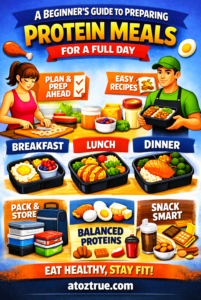
Getting meals ready ahead of time helps vegetarians burn fat by eating with purpose. Start by mapping out what to eat each week. Build dishes around hearty ingredients that taste good plus fuel your body right. Think beans, colorful veggies, real grains, fruit mix it up so every bite counts. This way, food stays interesting without losing balance. Start by making a menu before shifting into batch cooking. Pick one day maybe Sunday to make several meals at once. Instead of daily prep, cook big batches of things like quinoa, brown rice, or lentils they last. These staples split easily into containers then get new life with fresh veggies and dressings each day. Try roasting or steaming whatever vegetables are in season; color matters here. Bright sides bring more than looks, they deliver nutrients tied to how the body handles fat. Freshness lasts longer when meals are stored well. Sealed boxes lock in quality, turning weekday eating into a quick pick instead of a chore. See through packaging lets you spot contents fast, reducing forgotten leftovers that turn into waste. Splitting dishes ahead saves time later, one helping at a time. Counting portions keeps intake steady, guiding choices without second guessing each bite.
Read our other Blogs. Our team is working hard for every single paragraph and blog for the best information. We always appreciate you. Thank you so much.