Which is the Best Choice for You ?
Walking or Running for Losing Weight?
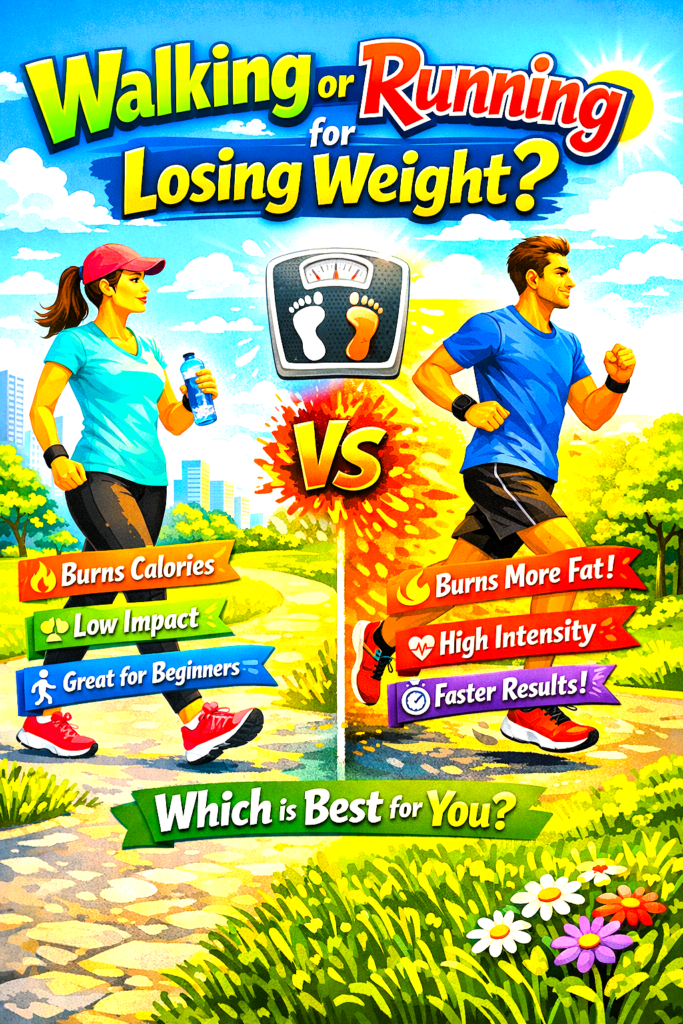
Introduction
One foot in front of the other whether strolling or sprinting opens a door to movement nearly anyone can step through. Often chosen for trimming body weight, these two patterns draw crowds seeking change without gear or gym fees. Yet people wonder: does moving at a slower pace burn fat like faster strides do? Each has its rhythm, one gentle on joints, the other revving heartbeats higher. Personal taste guides some toward calm paths, others chase breathless effort under open skies. Science weighs in by comparing calories spent per minute versus total commitment over time. Not everybody responds the same; momentum builds differently across lives lived variously. This piece looks close at how each method shapes up when pounds must go. Reality shows sweat counts but so does consistency no matter the speed. Though running torches calories fast, walking slips easier on the body, sparing joints. Many find that gentle rhythm fits better when starting out or healing. Even so, pounding the pavement ramps up heart health and firms muscles quicker. For some, that pace pulls them toward shedding weight faster provided their body agrees.
One thing leads to another when looking at workouts it is not only about calories. What happens inside the mind matters just as much as numbers on a screen. Studies show some routines stick better than others over time. Experts point out emotional effects often shape long term success more than sweat alone. Seeing results means weighing many parts, not just one. Personal needs shift what works from person to person. Clarity comes by stepping back, then moving forward with awareness. Walking or running each shapes your day differently. One moves slow, steady underfoot the other drives heartbeat higher, faster breath. Some find peace in sidewalks at dusk, others chase burn in morning sprints. Knowing how they differ helps match motion to mood, body, goals. Effort counts, yes but so does enjoyment. A jog might shrink waistlines quicker, yet a stroll keeps joints kinder longer. Choice leans on preference, health, time. Results shift based on pace, frequency, consistency. Either path leads somewhere if taken often enough.
Understanding Weight Loss
Losing weight comes down to how many calories you eat compared to how many you burn. What matters most is using up more energy than you take in. Eating less helps, but moving more works just as well. Sometimes small changes add up when done regularly. It takes consistency, not perfection, to see results over time. The body responds to steady shifts, not sudden extremes. Fueling yourself wisely supports long term progress. Movement throughout the day counts, not just workouts. Balance shows up in choices made week after week. Staying aware of both eating and activity shapes outcomes slowly. Most people overlook how movement shapes daily energy balance. Moving the body through walks, rides on a bike, sprints down a path, or lifting weights adds up in silent ways. A jog pushes harder than a stroll, lighting more internal fuel because pace and effort rise together. Each type of motion taps into reserves differently. Picking certain routines may quietly sharpen results without loud promises or flashy claims.
Figuring out how many calories a person needs means looking at things like age, body size, movement each day, plus whether they are male or female. Tools pop up everywhere apps, watches, online forms that try to guess how much energy someone burns just by living and moving. When you know that number, it becomes clearer how activities such as jogging or simply strolling change what goes in versus what gets used. Exercise does more than shape the body it lifts spirits too. When people feel better physically, they tend to stay in a brighter headspace, one where sticking with weight plans feels natural. Motion feeds mindset, quietly pushing effort forward. Knowing how shedding pounds works helps anyone weigh options: step lightly, sprint ahead, or blend pace and path. Choice becomes clearer when logic meets personal rhythm.
Walking helps lose weight
Most people find moving step by step helps shed pounds without strain. Since it’s gentle on knees and hips, nearly anyone can begin right away – no experience needed. Because it avoids harsh pressure, bodies tend to stay intact over weeks or months of steady effort. Walking helps people lose weight because it uses up energy. A typical person might burn between eighty and one hundred calories for each mile they cover, though that number shifts based on how much they weigh, how fast they go, or whether the ground is flat or hilly. Moving quickly say, four miles every hour tends to use more fuel than drifting slowly through a park. The clock matters too: stay out longer, and the total amount burned climbs. Over time, slipping walks into everyday life adds up in ways that support shedding pounds.
When you walk, your mind often feels better too. Moving each day helps ease tension, worry, or low moods. Steps that match breath or scenery tend to calm thoughts and ground attention here. Feeling clearer inside may make people keep returning to their daily walks. Sticking with movement like this builds quiet momentum over time. Walking might just fit well into how you plan to lose weight. When people pick up speed or go longer, they tend to burn more calories. This basic activity does not demand much, still lifts the mood noticeably. Each step adds up without needing special gear or a gym. The mind often feels clearer after a steady stroll through the park. Results grow quietly over days of consistent movement.
Running for Weight Loss
Running usually burns more calories than walking. A 160 pound person might torch close to 606 calories each hour jogging steadily. That same individual would use roughly half that energy moving quickly on foot. Because of this gap, many see running as better for dropping weight. While both are cardio workouts, one pushes the body harder. Efficiency matters when cutting down fat. The faster pace demands more from muscles and lungs. Over time, that effort adds up. So some turn to pavement pounding instead of strolling. Results tend to show up quicker that way. Still, intensity plays a big role in outcomes. Not everyone can sustain a run right away. Yet those who build toward it often notice changes. Fewer minutes spent running might still deliver strong results when done intensely. Sprinting bursts mixed with slow steps can shape a routine without long hours. One moment you push fast, next you recover gently this rhythm burns fat while lifting heart health. After finishing, the body keeps working harder than usual, using extra energy even at rest. People pressed for time often find this way fits better, getting more from less without skipping impact.
Sure, running does good things for the body. Muscle firmness gets better when someone runs often. Joint resilience increases over time from consistent movement. Stamina grows stronger with steady effort. A person might feel brighter after a run because natural chemicals shift in the brain. Stress tends to fade when rhythm builds in motion. Weight management becomes easier when both mind and body respond together. Still, running carries dangers that deserve attention. Because improper form or overuse often leads to problems like shin pain, knee strain, or tiny bone breaks. When effort outweighs rest, exhaustion creeps in especially without varied workouts or enough downtime. So assessing one’s present condition matters greatly. Speaking with someone trained in health or movement makes sense prior to starting anything demanding.
Comparative Caloric Burn
Walking one hour at a steady rhythm burns fewer calories than sprinting uphill for the same time. Duration matters, yet speed pushes energy use higher when moving forward. Heavier bodies turn more effort into heat, meaning mass changes totals. Intensity shifts results sharply jogging lightly versus racing fast shows gaps in output. Pace alone can widen or shrink how much fuel gets used up. Comparisons reveal patterns not obvious at first glance. MET values help figure out how many calories you burn every minute. This estimate comes from a specific calculation. Each activity has its own number that shows effort level. That number shapes the result more than anything else
Walking (3.5 mph): MET = 4.3
Running (5 mph): MET = 8.3
Running (6 mph): MET = 9.8
Running (7.5 mph): MET = 11.0
Picture someone weighing around 155 pounds roughly 70 kilograms and you start seeing how many calories different activities use up over set periods of time
| Activity | Duration (minutes) | Calories Burned |
| Walking (3.5 mph) | 30 | 140 |
| Running (5 mph) | 30 | 240 |
| Running (6 mph) | 30 | 300 |
| Running (7.5 mph) | 30 | 375 |
A quick look at the numbers shows running burns far more calories than walking. Yet intensity matters running might feel too hard for some, particularly new exercisers or people managing health limits. Walking brings its own advantages, just like running does, depending on personal needs. Picking either means seeing how each affects energy use helps shape smarter choices when aiming to lose weight.
Tips for Beginners
Starting out with exercise might feel thrilling, yet kind of overwhelming at first. Instead of chasing big changes right away, try building small targets – like walking half an hour a couple times weekly. If running feels right, stretch your pace bit by bit over weeks. Progress likes slow hands, so let things unfold without rushing. Real shifts usually arrive after consistent effort across months. Shoes matter more than most think when it comes to staying pain free. A good pair built for your movement walking or running keeps problems away, especially at the start. Step into a sports shop and they might check how your feet roll while moving. That test guides you toward footwear matched exactly to your stride and activity.
Most people keep going when they feel driven. Switch things up now and then try jogging some days, brisk walks others, maybe throw in short sprints once in a while. Being part of a group adds company, which tends to help newcomers stay on track. Some find it easier to show up when others expect them. Each step forward becomes clearer when you write it down. A notebook works just as well as an app maybe better. Your runs, walks, laps around the block they all count when listed one after another. Weight shifting slowly? That change shows up only if tracked. Seeing last week’s numbers can push today’s effort without saying a word. Patterns start to whisper: mornings feel lighter, Wednesdays drag. Small gaps reveal themselves over time, not all at once. Most of all, pay attention to how your body feels. Notice when to keep going versus when to stop and rest. Slowly doing more helps your muscles and joints adjust without getting hurt. Jumping into a fresh workout plan might feel tough at first, yet using these ideas makes walking or jogging work better for those starting out who want to lose weight safely.
Incorporate Walking and Running Into Your Daily Routine
Walking and running together often work better than either alone when trying to lose weight. Because they mix steady movement with bursts of effort, energy use goes up without feeling overwhelming.
A smart way to begin ? Try alternating minutes walk one, then run one. That rhythm lets stamina grow slowly, which keeps joints safer at first. Over time, this balance teaches the body how to handle longer efforts more easily. Later on, once running feels easier, try stretching out your run periods maybe a 2:1 walk to run pattern works well. Instead of short bursts, go two minutes walking, then one minute jogging; it builds endurance slowly. People who already have some fitness under their belt might enjoy trying longer stretches without stopping perhaps working toward finishing a 5 kilometer route or even farther. Reaching such distances often brings quiet satisfaction, plus a real sense of how far you’ve come.
Besides walking or running, trying cycling, swimming, or strength work keeps things fresh while lowering chances of repetitive strain. These mix in workouts activate separate muscles, building broader stamina along the way. Just as key: giving the body downtime regular breaks help it stay strong and avoid breakdowns. On slow days, gentle stretching or light movement eases tightness, boosts bendiness, adding years to how long you keep going. Start slow, mix strides with jogs, let rest days breathe between efforts. Shift focus now then to swimming or cycling, give joints a break but keep moving. Movement stacks when timing aligns, results follow without pushing hard. Health shifts not by force, instead through rhythm, spacing, consistency. Weight slips away when patterns repeat, gently, often, without strain.
Walking vs. Running FAQs
Looking at walking versus running for shedding pounds, folks often wonder which works better.
Is losing weight possible just by walking ?
Absolutely stepping out regularly does help reduce body mass. This gentle form of movement fits smoothly into everyday life without strain. Stick with it daily, eat well, then calories burned start to outweigh those eaten. Still, how fast you slim down depends heavily on time spent moving and effort used, especially when set against faster paced exercises such as sprinting.
What often comes up is how running stacks against walking does moving quicker get better outcomes ?
Running tends to use more energy in less time, possibly speeding up changes on the scale. Yet what matters just as much are your current strength and likes. For some, racing ahead feels too heavy, so they stick with a steady stroll instead. The right pick fits where you stand now, not someone else’s pace.
People sometimes ask how much they ought to move their bodies walking or jogging to lose extra pounds. A common tip floats around: try hitting 150 weekly minutes at a steady pace, like brisk walks, or cut that time in half if pushing harder through runs. When shedding weight is the target, doing either one more often or stretching out each session tends to work better. Plans shaped by real life, not ideals, stick easier. Goals that fit your days keep you showing up without burning out. Still, folks might wonder how muscle use differs when comparing walking to running. On one hand, walking works leg muscles gently during movement; on the other hand, running pushes those same muscles harder, building more strength and stamina with regular effort. Picking which suits better for losing weight comes down to personal habits, likes, dislikes, and what the body can handle.
Conclusion
Starting off, walking and running differ but both help shed pounds. One thing is clear running torches more calories fast. Yet something else matters just as much: walking eases strain on joints. Some find comfort in slow mornings stepping outside. Others push pace, chasing breath under streetlights. Either way works. The body moves. Energy shifts. Progress hides in consistency, not speed. Each choice fits different lives. Not one size rules all. A key part of starting fitness lies in choosing movement that fits how you live, something that feels right. When the activity matches your taste, sticking with it becomes natural, almost without effort. Take running some find rhythm in its pace, drawn to the rush it brings, heart pounding stronger each mile. Others settle into walking, calm and steady, slipping steps between errands or after meals like a quiet habit.
Walking or running either can help shed pounds and boost well being. What works better hinges on a person’s current shape, body needs, and aims. Trying each approach helps spot which feels more doable every week. Staying active might mean fast walks between errands or aiming for longer runs over time. Showing up regularly matters most when building lasting change.
Read our other Blogs. Our team is working hard for every single paragraph and blog for the best information. We always appreciate you. Thank you so much.