A Complete Guide for Beginners and Professional Athletes
No Equipment Workouts Explained
Bodyweight training has become a go-to choice for people at every level, from new starters to top performers. Movements using just your own weight can boost power, mobility, and stamina no dumbbells or bulky gear required. What makes these routines stand out is how they activate several muscles at once through real life motion patterns. Because of that mix, nearly anyone can find a way in, no matter their starting point.
One big plus of using your own body for exercise? You can do it almost anywhere – home, parks, on trips. Because it fits so easily into different places, people keep going without pause, especially when gyms aren’t an option. What helps too: these routines adjust smoothly based on what someone wants to achieve. Newcomers begin with basic moves, then slowly shift toward harder versions over time. Meanwhile, seasoned performers push limits by adding tougher twists that demand more effort.
Beyond gear-free routines, staying steady on your feet gets easier since so many moves demand balancing your own weight through different directions. Paying close attention to how you shift during these lifts sharpens your sense of where your limbs are – key for anyone serious about getting better at sport or movement tasks. When milestones stack up over weeks, lifting just yourself still brings fresh hurdles that keep progress moving without hitting dead ends.
Bodyweight exercises work for everyone, no matter your starting point. When basic moves become routine, gains in strength show up fast. Flexibility improves just as much as stamina does. Using only yourself as resistance keeps things simple yet powerful. Progress happens quietly through repetition and time. What matters most is showing up, again and again.
No gear workouts help build strength anytime anywhere
Bodyweight training skips the price tag that often comes with fitness. What stands out first is how cheap it can be. Gym fees or gear at home? Not needed here. Doing moves using just your own weight means little or nothing spent. People from all sorts of budgets find room to join in. Money stress fades when exercise fits any wallet. The barrier to start drops sharply without equipment holding you back.
Space matters less when exercise needs no gear. A corner in your room, grass outdoors, even a hotel floor works fine. Skipping machines lets people stay active wherever they land. No commute, no membership, just movement where life happens. Short on area? Doesn’t stop push-ups or squats from building strength. Routine stays steady because setup takes seconds, not hours. Location fades as an excuse once you start using floors instead of gyms.
One reason people like workouts without gear is how easily they adapt. Starting anywhere, even on carpet or grass, lets newcomers adjust moves while experts intensify theirs. Strength builds alongside stamina, balance improves with motion, flexibility comes along naturally during these routines. Instead of machines guiding movement, barefoot drills train the body to work together – shifting weight, holding position, reacting smoothly. Equipment-free training leans into real actions: squatting, pushing, reaching – all tied to daily mobility.
Working out without gear sometimes boosts drive. Because you can exercise wherever, it might lead to sticking with it longer, building self-reliance along the way. Spaces like gyms tend to overwhelm certain people, so basic moves using just body weight offer a quieter comfort.
When it comes to getting fit, ditching machines doesn’t mean cutting corners. Free movement at home stacks up well against crowded gyms. Money stays in your pocket. Scheduling gets easier. Routines adapt fast. Options open wide regardless of space or time. This path fits neatly into varied daily rhythms. Results still show when effort shows up consistently.
Starting Simple with No Gear Exercise
Beginning a routine with no gear might just surprise you. People at any shape or strength can move their bodies in ways that boost wellness no club fees, no bulky tools needed. A corner of your room could become the place where it all starts. Clear it out, let light in, make sure there’s room to stretch, twist, reach. Sometimes a simple mat helps keep feet steady when things get slippery.
Later on comes planning exercise moments – key to building steady habits. Pick exact days, set fixed hours, treat them just like serious appointments. Starting small works better; let lengths grow slowly once stamina builds up. Goals need grounding in reality. Skip huge leaps; aim instead at things within reach finishing each session, adding reps week by week.
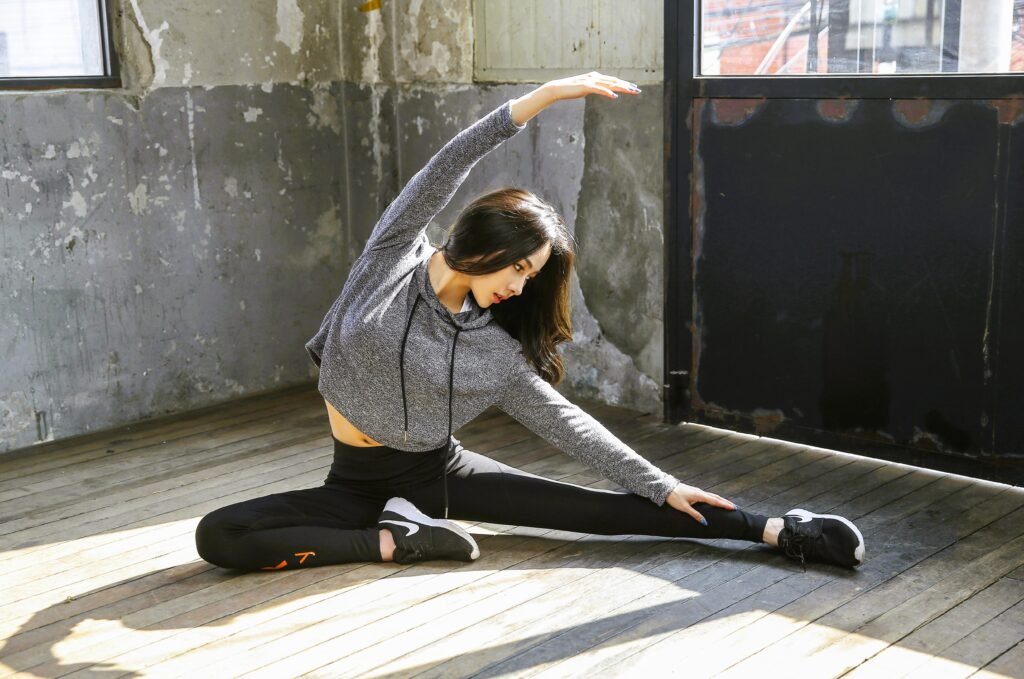
Movement before exercise wakes the body slowly. Blood moves faster into working parts when you start light tasks first. A few jumping jabs or leg swings get things ready without strain. After effort ends, slowing pace lets breathing settle like waves retreating. Holding still poses then helps soreness fade by easing tight spots. Stretching while warm opens knots formed during motion.
Starting without gear might surprise you heart fitness gets better, muscles grow stronger, movement flows easier. When habits stick and form comes first, newcomers and veterans find real gains hiding in plain sight. Few tools needed, big results possible.
Basic Bodyweight Moves for Newcomers
Starting out with fitness ? Or maybe staying active without gear appeals to you ? Bodyweight movements offer a solid starting point. Try these beginner friendly exercises no tools needed. Every move comes with tips on correct posture, frequent errors, plus adjustments if required.
Squats – Start standing, feet spread wide like they belong at your shoulders’ distance. Down you go, folding at the knees while sliding hips backward pretend there’s a seat behind you waiting. Watch how far forward your knees travel; they should stay shy of your toes. Hold the spine tall, no slouching allowed. Need help balancing. Slide a chair nearby to lean on.
Push ups – Start flat on the floor, arms bent under shoulders, hands spread wider than shoulder width. Down you go chest nearing the floor then lift using arm strength till elbows lock. Stay stiff like a board; do not sag at the hips. Those new to it can kneel first, reducing how much weight they shift. From toes or knees, motion stays smooth and slow.
Lunges – Begin standing, legs close together. Moving ahead with one foot, drop your body down so each knee reaches about ninety degrees. Let the rear knee float slightly above ground level. Your front knee stays directly over the foot. Change it by stepping less far or staying in one spot if needed.
Planks – Start flat on the floor, resting on your forearms. Your whole frame should form one even line head through heels. Tighten your stomach muscles to stay steady. Stay put as long as you can manage. Watch out if your middle dips low or lifts too far up. Newcomers might find it easier to go down on their knees at first. Building power takes time that way.
Start slow when doing these moves they’re central to most bodyweight workouts. Building stamina and power happens naturally if done often, especially at first. Pay attention to how each motion feels rather than counting reps; that builds real base strength while keeping harm away. Good shape comes from clean execution, never speed or force.
Hard bodyweight workouts for experienced users
Hardcore trainers who want tougher bodyweight routines can skip the gym entirely. One legged squats show up strong when pushing leg power past normal limits. Instead of regular push ups, explosive versions crank intensity through sudden motion. Balance gets tested just as much as muscle during advanced plank variations. These moves demand control while building stamina beyond basic workouts.
One foot balances the whole move pistol squats test both stability and power, lighting up quads, hamstrings, glutes at once. From an upright stance on just one leg, stretch the free leg out front before sinking slowly down into a deep squat, no hands allowed. Watch how the knee tracks directly over the ankle during every inch of descent that alignment protects joints. Control beats depth each time; rushing through risks strain more than progress. The full movement finishes only when rising back to start without wobbling off line.
Lift off fast with explosive push ups instead of regular ones. Power and quickness get sharpened here useful when sport demands burst effort. Start like a normal push up, yet drive up so hard that palms leave the floor for an instant, hovering just above earth before settling down again. Shift hand spots wider or closer to tweak how it feels on muscles. Try clapping once mid-air between reps if more challenge calls.
A strong core often depends on more than just holding still. Movement added to a basic pose increases demand on stabilizing muscles. Try touching one shoulder at a time with the far hand, staying low like a push up stance. Hips should stay quiet, barely shifting during the motion. That small reach forces the sides of your trunk to work harder. Lifting a leg while shifted onto one arm also builds control across shoulders and waist.
Every move without gear can reshape how well you perform, giving serious athletes room to grow without risk. Pay close attention how you feel guides when to shift or ease up during training. Staying safe matters most as power and control improve over time.
Build a workout routine without equipment
A fresh take on exercise begins by using just your body no gear needed, no limits really. Skipping tools opens space for smarter moves, not fewer options. Picture yourself starting slow, paying attention to what feels possible today. Your present strength shapes how often you move, how long you go, how hard you push. Some days call for more, others less that balance comes from listening closely.
Start by figuring out how many days per week you can realistically exercise without gear. Three or four times a week works well if you are just getting started this gives your body time to recover. If you’ve been active for a while, maybe go for five or even six days regularly. Aim for half an hour up front, stretching toward an hour as it fits, based on where you’re at physically.
Start by blending various exercise styles to build a complete routine. Strength moves, cardio bursts, and stretch work need equal attention across the week. Push ups, squats, and lunges get strong results without equipment. Jogging on the spot, jump swings, or fast knee lifts raise your pulse while building stamina. Finish each session with flowing stretches or yoga poses this helps muscles relax and regain motion. Balance comes easier when every type gets its turn.
Here is a sample weekly schedule to illustrate how to structure your no equipment workouts
Monday Full body strength workout 30 minutes
On Wednesday, try short bursts of fast movement mixed with slow recovery for half an hour
Friday Yoga or flexibility exercises 30 minutes
Saturday Circuit training combining strength and cardio 45 minutes
Switch things up by mixing different moves into your workouts keeps boredom away while getting more out of each session without gear. Sometimes starting with stretches leads straight into squats, other times jumping jacks open the door to lunges. Changing patterns wakes up muscles differently. Each shift adds value quietly. Routines feel fresh when variety sneaks in through side doors. Unexpected movements spark new effort. Gains grow behind the scenes.
Motivation Tips
Starting small often leads to bigger wins when working out without gear. Hitting mini targets builds momentum, like doing ten push ups every morning. Picture yourself getting stronger each week just by showing up. Aiming for consistency instead of perfection keeps things moving forward. Reaching one goal might spark the urge to chase another. Progress becomes obvious after a few weeks of steady effort. Feeling capable grows naturally through repeated success.
Every now and then, noticing how far you have come keeps things moving. Writing down each workout shows change bit by bit, while quietly proving what staying consistent looks like. Some prefer notebooks, others tap screens, a few stick to basic charts. Seeing shifts over weeks makes wins feel real, strengthening belief in what one can do.
A buddy at the gym might just keep you showing up more often. When someone else is counting on you, skipping feels harder. Laughter between reps turns effort into something lighter. Shared sweat builds a rhythm that solo runs rarely match.
Freshness sneaks in when routines shift swap one move for another, try a sprint after stretches. The body adapts slower if it stays guessing: jump squats today, slow poses tomorrow. Joy hides in change, not repetition; progress tags along quietly. Stale patterns fade when motion shifts without warning.
Sometimes a quote or real-life story lights a small fire inside. When someone reads how another person built strength without gear, it might just spark their own start. Stick with it, even when energy dips progress hides in repetition. Tough days count too, especially if giving up feels close. Everybody begins somewhere, yet showing up matters most.
Questions People Often Ask About Working Out Without Equipment
Working out without gear is getting more common these days, appealing to newbies as well as experienced exercisers because it fits easily into daily life. Questions pop up now and then how safe are they ? Can you keep improving ? What should you eat to support the effort ?
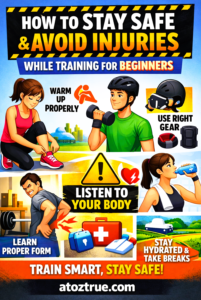
Most people wonder how to stay safe when exercising without gear. Staying upright with good posture matters more than speed or reps. Newcomers ought to slow down, watching each move closely before speeding up. A few minutes of light motion beforehand helps muscles respond better later. When breathing gets rough or joints ache, it means pause not push. Sensations guide smarter effort, not just harder work.
Bodyweight routines often spark curiosity. Can they really match up to gym based sessions ? Push ups, squats, lunges these moves build real strength over time. Progress happens by adjusting form, tempo, reps, not just adding weight. Unlike machines, they work muscles in ways daily life demands. Movement becomes sharper, coordination tighter, stamina deeper. Effort shapes outcome, nothing more.
Staying on track matters just as much when you skip gear and train barehanded. One step at a time, pushing harder shows up in extra reps, quicker rounds, or shorter breaks between sets. Goals spelled out clearly make each session count. Watching improvements grow week by week keeps the drive alive.
Fuel matters most when chasing physical goals. Not every bite counts, but choosing foods packed with protein, good fats, and unprocessed carbs helps muscles bounce back after effort. Recovery gains strength when meals line up with movement. Effort multiplies when eating aligns with exercise patterns. Results grow quietly where food and discipline meet.
Living Without Equipment
Looking back on what we’ve covered, free movement exercises clearly help people at every stage, whether just starting or already strong. Since these routines need no gear, they suit anyone without a gym or who likes staying put at home. Using only your body’s resistance brings real gains muscle power grows, stamina builds up, joints move easier. What matters is showing up, nothing more.
Starting out ? No gear needed just your body and space to move. New moves feel easier when there’s no machine telling you what to do. Confidence grows faster when nothing gets in the way of trying. Learning how muscles connect happens quicker without weights distracting. Some find it calming, others surprising how strong they get by using only themselves. Later on, harder versions appear: slower lifts, longer holds, sharper control. Progress shows up quietly not shouted through reps but felt after days pass. The room stays quiet, yet something shifts each time feet touch the floor again.
Not every athlete needs gear to stay sharp bodyweight moves often do the trick just fine. What makes them work is how easily they fit into different kinds of practice, building stability along with stamina. Sometimes a simple session replaces heavier loads, giving joints a break without losing momentum. Even on the road or between seasons, movement without weights keeps rhythm alive in daily grind.
Sticking to workouts without gear tends to build steady habits, shaped by clear choices each day. When people welcome how freely bodyweight moves fit into shifting days, their routine becomes uniquely theirs. Because of this, staying on track feels natural even when life gets unpredictable. Exercises using only body weight stand out more and more as something that belongs in every phase of getting stronger.
Read our other Blogs. Our team is working hard for every single paragraph and blog for the best information. We always appreciate you. Thank you so much.