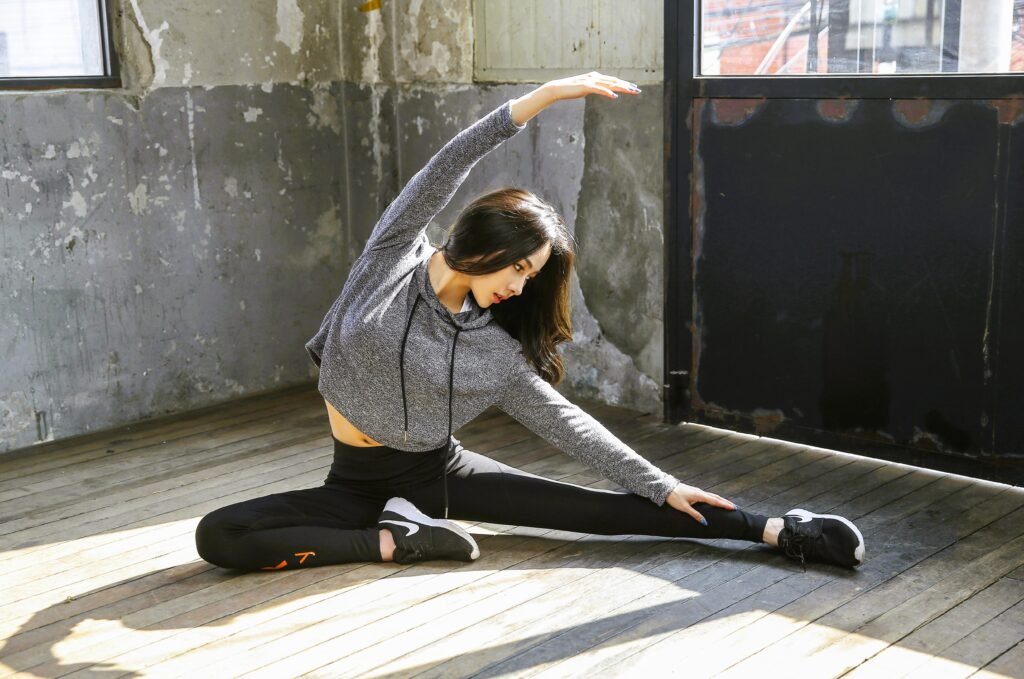
A Exercise Motivation Guide For Beginners And Professional Athletes
Introduction
Sticking to regular workouts isn’t easy this holds true whether someone has just started out or already logs years of training. What keeps people moving ? Often it’s down to how motivated they feel when things get tough. Newcomers might begin strong, full of energy, yet soon hit snags like poor scheduling, shaky self belief, or simply feeling overloaded. Even elite performers aren’t immune; despite their discipline, dips in drive appear during slumps, recovery phases, or pressure before big events.
Most people find it easier to stick with workouts when something pushes them forward. That push often comes from personal reasons tied to health or confidence. Some follow routines because they see progress after a few weeks. Others keep going due to support from friends or small daily wins. What works differs widely from one person to another. The key lies in matching effort to what truly matters to you. Feeling connected to your routine changes how long you stay with it.

Starting out isn’t just about showing up fear of judgment can quietly take hold. Gym settings sometimes feel unwelcoming, especially when routines seem confusing at first. On the flip side, even top performers wrestle with invisible weights, like measuring their success against others’. What keeps someone moving forward usually ties back to clear intentions, spaces where growth feels possible, and people who genuinely listen. Motivation sticks better when it fits life, not a mold.
This guide lays out clear moves that work whether you are just starting or already training hard, showing how staying driven matters every step of the way. When roadblocks pop up and they will knowing how to keep thoughts upbeat makes a difference. Instead of pushing through blindly, it helps to understand what slows progress. With straight talk on real challenges, the goal is to help people move closer to their fitness targets without getting derailed.
Understanding Your Motivation
Starting strong often comes down to what sparks your drive, since every fitness path leans heavily on that inner push. One kind grows from within feelings like pride after a run or loving how yoga clears your mind. Another type shows up through outside nudges, perhaps praise from others or keeping up in a group class. These outer pushes might include medals, rankings, or even friendly bets. What fuels you could shift day to day, sometimes quiet, sometimes loud. Some days it’s the rush you crave; other times it’s just not wanting to fall behind. Either way, both matter when staying consistent counts.
What pushes you to move each day might not be obvious at first. Look inward your reasons matter more than you think. Is it feeling stronger, moving easier, or fitting into old clothes ? Clear targets keep effort steady vague wishes rarely last. Picture a goal that fits your life right now one you can measure week by week. When workouts connect to what you already care about, they begin to stick. Maybe it’s showing kids that habits shape days. Or guarding energy for long walks later in life. Meaning grows when actions match belief.
When you have been competing a long time, knowing why you keep going matters just as much. Over months and years, that first spark of chasing targets often fades slowly. What helps then is looking back at what truly means something to you. A deep love for the game, small gains that feel real, or strong bonds formed alongside others might light the way again. Reaching key moments like gearing up for an event or beating your own past marks can pull attention back in sharply.
What keeps you moving often shifts over time. Staying in tune with why you start helps when energy dips later. Some find strength in how exercise makes them feel inside others draw power from friends who cheer them on. Revisiting these personal sparks again and again shapes a routine that stays alive. Your path changes but the heartbeat behind it does not have to.
Ways to Keep Going
Staying driven while working out matters, whether just starting or already deep into training. One way to keep going ? Try mixing small rewards after sessions. Sometimes a change of scenery helps swap the gym for outdoor paths. Other times, focusing on how movement feels shifts perspective. Tracking progress quietly, without fanfare, builds quiet confidence. Even listening to different music each time can renew interest slowly. What works today might shift tomorrow flexibility keeps things alive.
Start by picking goals you can actually reach. Instead of chasing something unclear, lay out clear markers like losing a set number of pounds or finishing a particular exercise plan. With sharp details, progress feels guided. Hitting each target brings its own quiet win.
Working out on a set routine tends to stick better when it has clear timing built in. This kind of layout knowing exactly what moves happen and when cuts down missed rounds. Mixing different types of movement keeps things feeling fresh instead of dull. That shift, over weeks, makes staying active feel more natural than forced.
Switching things up during workouts makes them way more interesting. Try different kinds like running one day, lifting weights another, then stretching on a third. Doing that keeps boredom away. Jump into a dance class once in a while, or take runs outside instead of always hitting the treadmill. New moves wake up muscles differently. The change alone might be enough to keep you coming back.
Working out alongside someone else often makes it easier to stay on track. When another person is counting on you, skipping sessions feels harder – suddenly there’s a shared rhythm. A familiar face at the gym turns effort into something lighter, almost natural. Pushing through tough moments becomes possible because support shows up quietly, without speeches. Progress feels different when two people move forward, step by step.
Staying on track matters when you want to keep going. Writing down what you’ve done like how many times you worked out, how heavy your lifts got, or how far you ran shows change you can actually see. That kind of feedback makes sticking with it feel more natural. Seeing steps taken often means taking another step feels worth it.
Overcoming Common Challenges
Most people struggle to stay active, even when they want to. A big reason ? They feel they do not have enough hours in the day. Life gets full – work, chores, errands leave little room for movement. Yet making space matters more than having it. Think of exercise as something you must show up for, just like a meeting. Slot it into your calendar instead of hoping it fits. Most days, setting aside minutes on your calendar for movement helps you stick with it. When done right, brief bursts of effort deliver solid outcomes fast no long sessions needed.
Something else that quietly drains drive ? Doing the same thing too often. When movements repeat day after day, energy dips, attention wanders. Try shifting gears now then swap runs for laps in water, pedals on a bike, or steps inside a studio class. Fresh targets help too, like aiming for ten more reps next week than today. Another spark shows up when others join you move differently when someone stands beside you, laughing between sets.
When injuries happen, motivation often takes a hit. Getting back on track means careful recovery steps instead of rushing in. Try guided movements that fit your healing stage experts can suggest safe changes so you stay active without risk. Sometimes the mind holds you back even when the body is ready. Focusing on breath, picturing success, or speaking kindly to yourself shifts something quiet but powerful inside.
Frequently Asked Questions FAQS
Make Space for Movement ?
Start with picking times for exercise first thing. Slotting in sessions helps guard those minutes. Try quick bursts of effort instead of long routines. Timing things right makes skipping harder. Shorter does not mean weaker when intensity rises. Choose speed plus power if time is tight. Fit movement like you would a meeting non negotiable.
What to Do When Your Routine Feels Boring ?
Try different workouts now and then. Sometimes a class helps shake things up. Friends might show up when you least expect them to join in.
How can I stay motivated during recovery from an injury ?
Start slow with movement drills, yet always check in with trained pros who know how bodies work. Stay steady on recovery paths instead of rushing ahead alone.
Most people face these hurdles at some point. Yet when solutions are put into practice, staying driven becomes easier. Reaching fitness targets stays possible. Read our other Blogs. Our team is working hard for every single paragraph and blog for the best information. We always appreciate you. Thank you so much.