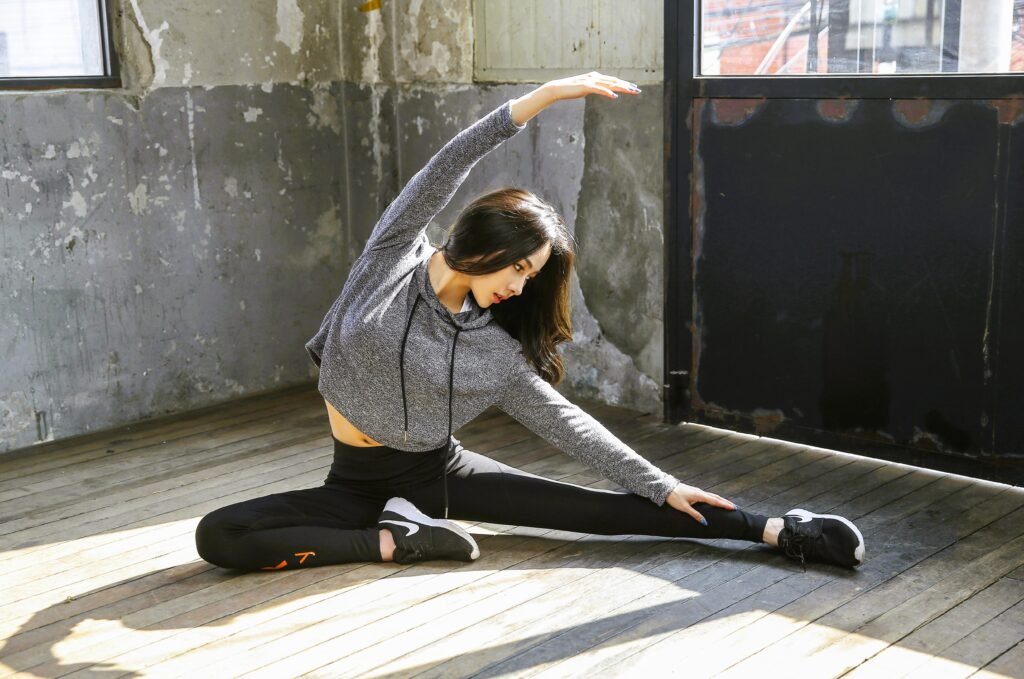
The Best Stretching Exercises for Newcomers and Experts
Stretching Basics and Why They Matter
Most people overlook how simply reaching or bending can do so much. Muscles respond when pulled gently, adapting over time. Because movement matters, many start routines with loose motions that prepare the body. Some notice easier motion after holding certain poses for seconds. Injury risks often drop when tension builds are managed early. Flexibility improves not through force but steady effort. Performance gains come quietly, without fanfare, just consistency. Athletes at every level find value in these small daily acts. Health shifts happen subtly, linked to regular muscle engagement. Even basic postures contribute when done with attention.
Most people think stretching just helps your body move better. Yet improved flexibility the main point of these exercises lets joints and muscles go farther without strain. Because movement becomes smoother, everything from running to reaching for items feels less effortful. When done often, this kind of routine may lower injury chances by warming tissues and boosting circulation slowly over time. Muscles respond by becoming more pliable, making sudden pulls or twists less likely during activity.
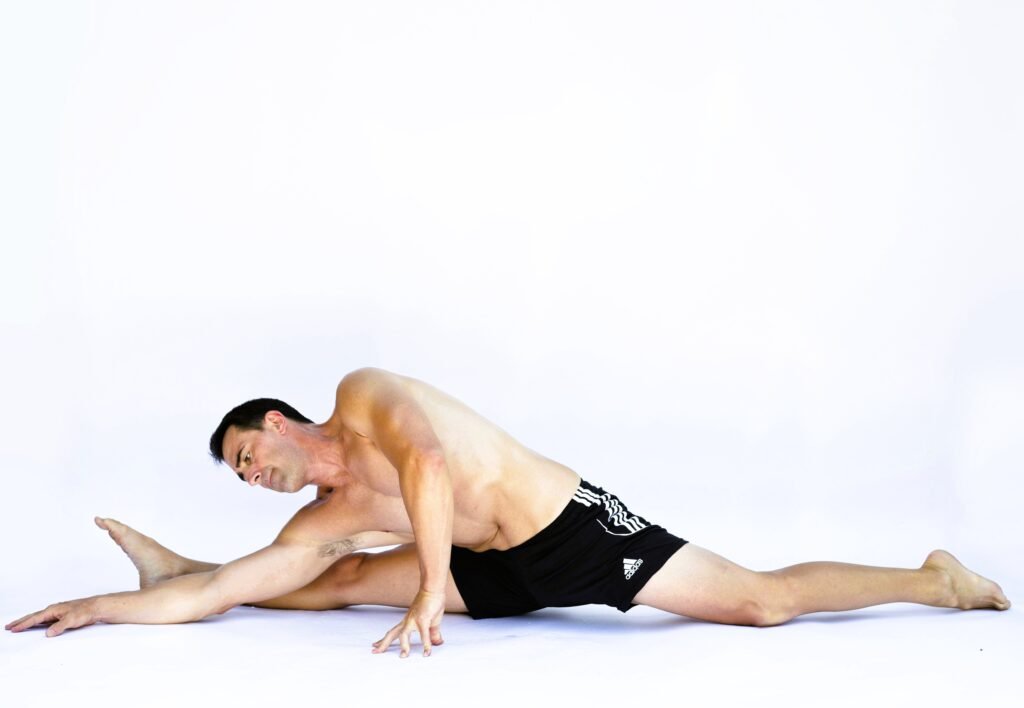
Stretching does more than just help the body move better. A steady habit of reaching into stretches brings calmness, sharpens attention too. Each session carves out quiet time a breath held between chaos and control during busy days or tough workouts. Moving slowly into each position pulls awareness inward. Being inside your skin matters here, now. This rhythm turns motion into something like meditation, clearing fog from thought while easing tension that builds up.
Not everyone stretches the same way what works depends on where you are right now. Newcomers often do better with slow holds, easing into each position without force. Meanwhile, seasoned performers lean toward motion based moves or muscle timing tricks like PNF to sharpen what they already have. Seeing how useful it can be helps people shape their routine around real goals. Customizing your method opens doors not just to movement gains but also daily ease.
Basic Stretches for Newcomers
Starting out with fitness ? Stretching matters right away flexibility grows, blood flow gets better, injuries become less likely. Newcomers ought to include key stretches regularly. Focus lands on technique, how long each pose lasts, which muscles feel the pull.
A good beginning move is the standing quad stretch. Begin by staying upright, then slowly bring one heel up toward your buttocks without leaning forward. Stay like that for about half a minute, sensing tension along the front of your leg. Change sides and do it again on the opposite limb. The movement works well for loosening tight quads, adding ease to how your legs bend and extend.
Start by sitting down, one leg stretched forward, the other folded near you. From here, lean slowly toward the foot that’s reaching out, spine tall. As you move, feel the pull along the back of your upper leg. Stay in this position half a minute at most, maybe less if needed. Over time, this helps new exercisers loosen stiff rear thigh muscles. What matters is consistency, not depth.
Resting like a child brings deep calm. Get down on your knees, letting your hips settle onto your heels as you reach forward with both arms. Lower your chest close to the floor, moving slowly. Stay here anywhere from half a minute up to sixty breaths. Muscles along the spine and shoulders gently unwind during this pause.
Start with the standing quad stretch, then move into the seated hamstring version this flow works well when done one after another. Three weekly sessions offer enough repetition without pushing too hard, especially if you pay close attention to how your body responds each time. Child’s pose brings it all together, adding balance near the end. Over weeks, doing these regularly builds real progress in mobility and general movement ease.
Stretching Methods Used by Pro Athletes
Some athletes rely on advanced methods to improve movement quality while helping muscles recover afterward. Dynamic moves before activity prepare the body differently than slow efforts after effort ends. One method, known as PNF, uses muscle tension paired with stretch positions at precise moments. Timing matters just as much as technique when fitting stretches into training days.
Most people find movement based stretches work well because they engage joints fully during motion. Leg swings, circular arm motions, or forward lunges while stepping these all count as examples. Before exercise begins, using these types of motions boosts circulation, raises pulse gradually, enhances readiness for quick actions. Those who train often place them early in preparation so tissues respond better once intensity increases.
Pulled from rehab routines, PNF stretching now shows up in elite sports training due to real gains in limberness. Instead of going solo, it leans on another person helping guide each move. One moment you’re pressing into resistance they provide, next moment you ease off this rhythm rewires how tight muscles behave. Picture pushing gently against someone else’s steady hold just long enough to trick your body into opening up further. Repeat these pushes and pauses a few times weekly, results often show clearer movement patterns and smoother joint travel.
After exercise, muscles respond better when stretched slowly. That moment helps them recover while staying loose over time. Instead of rushing off, take space to ease into movements that reach major areas like hamstrings or shoulders. Mixing quick motions before with longer holds after shapes how well the body adapts daily. Recovery grows stronger not by chance but through consistent rhythm across sessions.
Most top athletes find better results when they mix dynamic moves with PNF and classic stretches. This blend often leads to sharper performance without pushing the body too far. Routine matters when set right it protects muscles just as much as it boosts speed. Fewer setbacks happen when each stretch has a clear role. Smooth progress shows up not through intensity but consistency.
Tips FAQs and Final Thoughts
Most people skip warming up before they stretch. That mistake often leads to soreness or harm. Start light instead try walking or small jumps for five to ten minutes. Blood moves faster that way. Muscles respond better when warmed. Performance gets sharper over time. Injury chances drop without dramatic effort. Beginners benefit just like seasoned runners or jumpers. Readiness matters more than speed. Simple shifts make routines safer. Stretching works best after motion wakes the body.
Start slow if you’re holding a stretch, staying put for about half a minute at most. A mild tug in the muscle means you are going far enough stop before it stings. Show up every day, even just once, so your body learns to move more freely over time. Gains like smoother joint movement or better results during activity come only through steady effort. Hit arms and legs equally, making sure nothing gets left behind by accident.
Most people wonder how often they should stretch. After each workout works well warm muscles respond better. A frequent concern ? Staying safe while stretching. Stay even on both sides so one part doesn’t take too much load. Balance matters more than pushing hard.
Most athletes find better movement when they stretch often. Knowing what mistakes to skip helps people stay safe while gaining flexibility. Starting slow or having years of training does not matter adding planned stretches makes bodies work smoother over time. Fewer injuries happen when routines include these moments of reach and hold. Lasting health gets a quiet boost from such consistent, ordinary effort. Read our other Blogs. Our team is working hard for every single paragraph and blog for the best information. We always appreciate you. Thank you so much.