How To Do Chair Exercises For Beginners
Chair Exercises Basics
Sitting steady on a firm chair opens up movement options for people who struggle with standing workouts. Instead of jumping or running, gentle lifts and stretches keep things moving safely. A person might begin by reaching arms overhead while seated, then shift into slow leg extensions. Some find it easier to follow along when motions match daily actions like rising from a seat. Without needing weights or machines, effort focuses purely on control and rhythm. Each motion builds just enough resistance to support muscle tone. Over time, balance improves even while planted firmly on one spot. Starting small often leads to longer sessions down the road. Movements repeat not out of habit but because they work without strain. Even short routines add up when done regularly.
Sitting down does not mean staying still. People of any age or strength find it simple to start moving with seated activities. For older adults, anyone healing, or folks managing long term health issues, this kind of movement fits without strain. Because there is less stress on joints, harm happens far less often. Starting slow helps new exercisers feel steady while gaining skill over time.
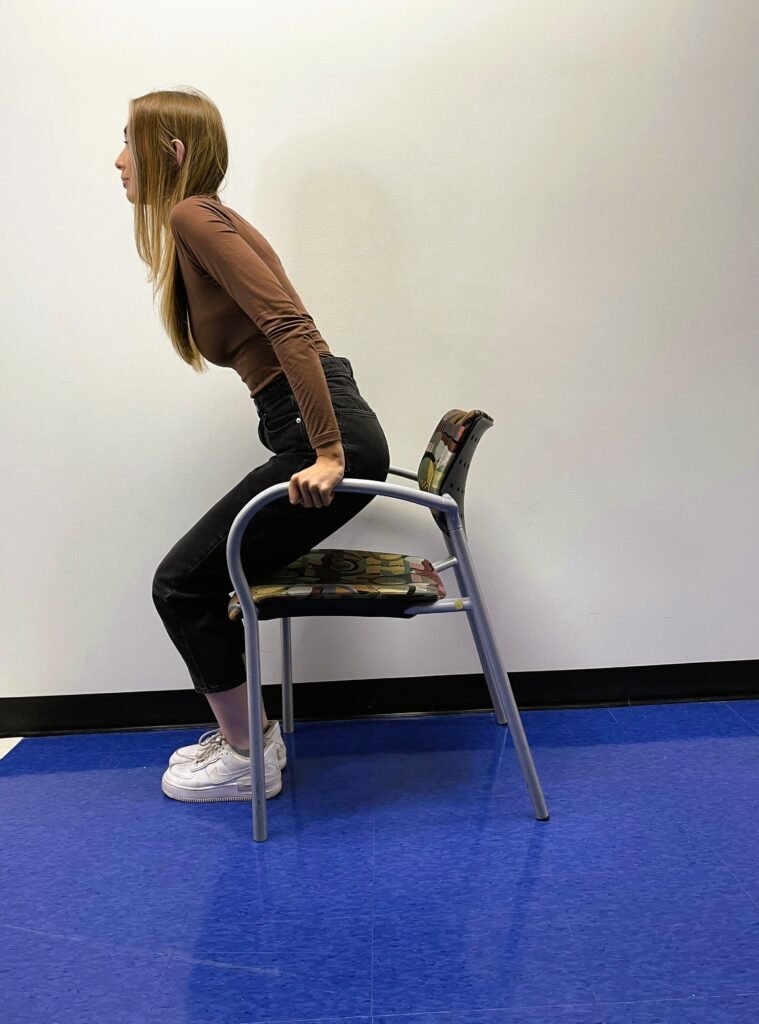
Starting seated, basic moves build strength slowly while boosting how far joints can move. Leg lifts work one set of muscles, at the same time, arms reaching upward pull on another group, linking motion across the body. Stability grows when twisting gently from side to side, training balance without strain. Blood flows more freely during these motions, giving the heart gentle support over time. Adjusting speed or range lets people shape each session to match their current ability, making progress possible at any stage.
Starting slow can open doors. Sitting workouts offer a way forward for new starters or anyone finding movement tough. With time comes better fitness, some extra power in the limbs, maybe even smiles during reps. Movement, even small, adds up. The body feels different when it moves regularly from a seat. Some find they stand taller after weeks. Others notice stairs feel easier. Effort counts, regardless of pace. A routine builds without needing space or gear. Health shifts happen quietly. Strength grows where it once felt weak. Doing something beats doing nothing, again and again.
Chair Exercises Can Help With Movement and Strength
Seated workouts bring plenty of perks, especially when staying safe matters just as much as moving more. Mobility gets a real boost through them. Without needing to stand, people find it easier to stretch muscles and joints slipping less often than they might during regular routines. Each movement stays grounded, yet still opens up space within the body.
Most people sit too much during the day. Yet moving while seated can quietly fix how you hold your body. Over weeks, small motions build strength where it’s needed most along the spine and shoulders. Because of this, rounding forward becomes less automatic. Pain fades not by force, but through steady repetition. What begins as effort turns into a natural stance. Better balance just shows up without announcement.
Some chairs hide a secret: they help build muscles. Using small tools like bands or handheld weights turns sitting into effective workouts. Not every strong move needs big effort gentle pushes work too. Older people often find this pace just right. Healing bodies take notice when movements stay steady, never rushed. Progress shows even when you do less, much slower. What seems quiet might actually be power growing.
Starting slow does not mean stopping there heart rate climbs during seated marches just like any workout. Arm circles push blood flow without demanding much space. Some folks aim at losing extra pounds; others rebuild strength after injury. Each motion fits a different purpose, yet all share similar benefits. Safety stays high when movements stay grounded. Even small efforts count when done regularly.
From sitting still to moving gently, these workouts offer a steady path to better health without strain. Not just for living rooms but also group spaces, they fit easily into daily life. Because balance matters more than speed, progress comes quietly through repetition. With feet on the floor and body engaged, goals feel reachable. Safety stays built in, so effort never has to turn extreme.
Upper Body Exercises
Start tall in the seat, feet pressed down. From there lift both arms upward while holding your spine steady. Let each movement unfold without rushing. Elbows stay just shy of locked. Pause overhead when arms reach full rise. Then ease them downward again using control. This motion builds resilience across shoulders and upper back. Try it early in your routine for best flow. Try doing it again, maybe ten to fifteen times. If you feel like mixing things up, grab small weights or a stretchy band.
Lower Body Exercises
Start by sitting steady in your chair. Lift one leg straight ahead, using just your thigh strength. The opposite foot stays grounded during the move. Pause there for five slow counts. Bring that limb down with control. This motion helps keep movement smooth and stability strong. Try it again after a short rest. One leg at a time, aim for between ten and fifteen reps per side. For easier handling, begin by extending just partway keep the lift low. Different people will find their own comfort level. Some may raise less, others more. Movement matters more than height. Start small if needed. Adjust as strength improves. Each person moves at their own pace.
Core Strengthening Moves
Twisting while seated helps build core strength, which supports balance and how you hold yourself. Try the Seated Torso Twist to work these muscles. Take a seat, sit tall, then rest your hands at the back of your neck. Ease your upper body to the right, guiding your left elbow closer to your right knee. Pause there briefly, just long enough to feel it, then come back to neutral and switch sides by turning left instead. Start by doing 10 to 15 rounds on each side. For anyone struggling with the twist, try turning just the top half of your body go slow, let it happen naturally. Stay smooth instead of pushing hard.
Tips for Staying on Track and Feeling Driven
Start small by doing seated moves just a few days each week. Maybe try fifteen minutes at first, nothing longer. Over time, staying consistent helps things feel easier. One day leads to another, then suddenly it sticks. Effort grows when you notice how steady practice adds up. After a while, extending sessions feels natural. Doing more becomes possible once confidence builds. Progress shows without needing big leaps. Each step forward counts even if it is slow.
Start by building a clear exercise schedule it shapes how steady you move forward. Write down each activity, pick fixed hours for training sessions, then guard those moments like promised meetings. Over time, this builds rhythm, turning effort into something familiar. For sure, switching up movements keeps things alive. Instead of repeating the same moves, shift between seated arm drills, leg lifts, and core work to cover every part smoothly.
Some days motivation fades, yet real change begins when something sparks your interest instead. Listening to people like Mary helps she started doing seated movements at sixty two. Her body moved easier, she had more drive throughout the day, simply because she kept showing up. She said those exact words, I never believed I’d feel this alive again right now. Stories like hers don’t just stick around in your mind they shift how you see what’s possible through small consistent steps.
Questions often pop up when someone tries exercise for the first time. Worries about getting hurt, how hard it might be, or body limits make sense at the start. A talk with a doctor matters most before jumping into movement routines, especially with ongoing health conditions around. Ease into each move, pay attention to posture, while tips from instructors or videos can clear confusion along the way. Building step by step shapes safer moments in seated workouts, turning early attempts into something steady and calm.
Frequently Asked Questions on Chair Exercises, FAQS
People who want to stay active often turn to chair workouts. These moves suit folks with little room to move or less practice being physical. Here come common thoughts newcomers have. Answers might steady someone just starting out. Questions pop up a lot. Getting clear on them helps ease first timer nerves.
Most people begin with short stretches of movement using a chair around ten to fifteen minutes feels right at first. For those just starting out, keeping things brief helps build confidence without strain. When strength grows, adding time becomes natural; thirty minutes might feel comfortable later on. Pay attention to how you feel during each round of motion. Progress comes easier when steps stay tiny at the beginning. Some find longer rounds possible after weeks of steady effort. Comfort matters most throughout the process.
Every few days might work well for seated workouts. Hitting that sweet spot of three to five sessions weekly brings real results. Strength grows, movement gets easier, circulation improves each piece connects. Some find daily rhythm fits, others need more rest between tries. Listen closely when the body speaks its limits. Adjusting pace keeps things steady without strain.
Start loose. Clothes ought to let arms swing, legs lift without pulling at the skin. Shoes need grip flat soles hold firm when shifting weight slowly. Slipping into something too snug ? That slows you down, pinches while bending or reaching. Stay free. Movement flows better when fabric breathes and feet stay planted.
Most people can do seated workouts without trouble. Built with care, these moves lower chances of getting hurt. Still, staying cautious matters just as much. A solid chair, set on even ground, stops wobbling or sliding mid move. Talking to a doctor or trainer first helps too especially when trying something fresh.
Start small, maybe swapping one seated move for a trickier version each week. When sitting feels steady, try shifting some routines to your feet standing adds wobble, which builds control. Resistance bands appear useful once basics feel routine; they pull back when you push. Light dumbbells enter later, turning familiar moves into tougher tasks. Progress hides in tiny shifts, not giant leaps.
Embrace Your Fitness Journey
Staying steady with movement matters more than rushing ahead. Beginnings often feel slow when you start with seated motions, yet they count just the same. Moving each day from a chair builds strength without pressure to perform. Progress shows up quietly through consistency, not grand efforts. Fitness fits anybody when routines meet people where they are.
Starting fitness often means taking tiny moves first. If building strength, gaining flexibility, or lasting longer matters to you, seated workouts offer a gentle start. These movements let people stay active without much chance of harm, plus they spark pride along the way. Little wins add up each one nudges you forward, quietly proving progress comes from showing up. What feels slight today might carry more weight than expected tomorrow.
Every day, making time for seated workouts shapes habits without force. Little by little, tougher moves become possible strength grows, movement improves. Sticking with it means less chance of quitting too soon. Doing these exercises regularly just fits into life, almost like breathing. Over weeks, effort adds up in quiet ways.
Start moving now your power comes from doing. Try seated workouts that feel right, pay attention to what your body tells you, yet adjust each motion when necessary. Each path to strength differs, still yours counts just as much; honor every step forward even if it feels quiet or slow.
Staying steady on your feet might start with something as simple as moving while you sit. Moving each day, even just a little, helps keep strength alive. Little shifts in routine add up when done again and again. Sitting does not mean stopping motion still matters here. Over time, small efforts build something lasting. Effort today shows up quietly tomorrow. Each repetition is a quiet step forward. What feels minor now could make all the difference later.
Read our other Blogs. Our team is working hard for every single paragraph and blog for the best information. We always appreciate you. Thank you so much.
(1) https://a.co/d/0fyrQ5OZ Killed Through Curse – E-Book.
(2) https://a.co/d/07pE6EWS Killed Through Curse – Paperback.
(3) https://a.co/d/053FqkyV My Daily Gratitude Journal for 30 days – Paperback.
(4) https://a.co/d/05Ibu1Jz My Gratitude Journal for 90 days: Happiness without end – Paperback.