Easy Stretching Routine at Home for Beginners
Stretching Matters for Everyone
Most people skip it, yet stretching matters just as much as strength or cardio. For anyone moving their body starting out or already pushing limits it builds a base most ignore. Flexibility gets better when stretches happen often, letting muscles and joints move freely. That extra give means less struggle during workouts or even bending down to tie shoes. Performance climbs quietly, simply because everything flows smoother.
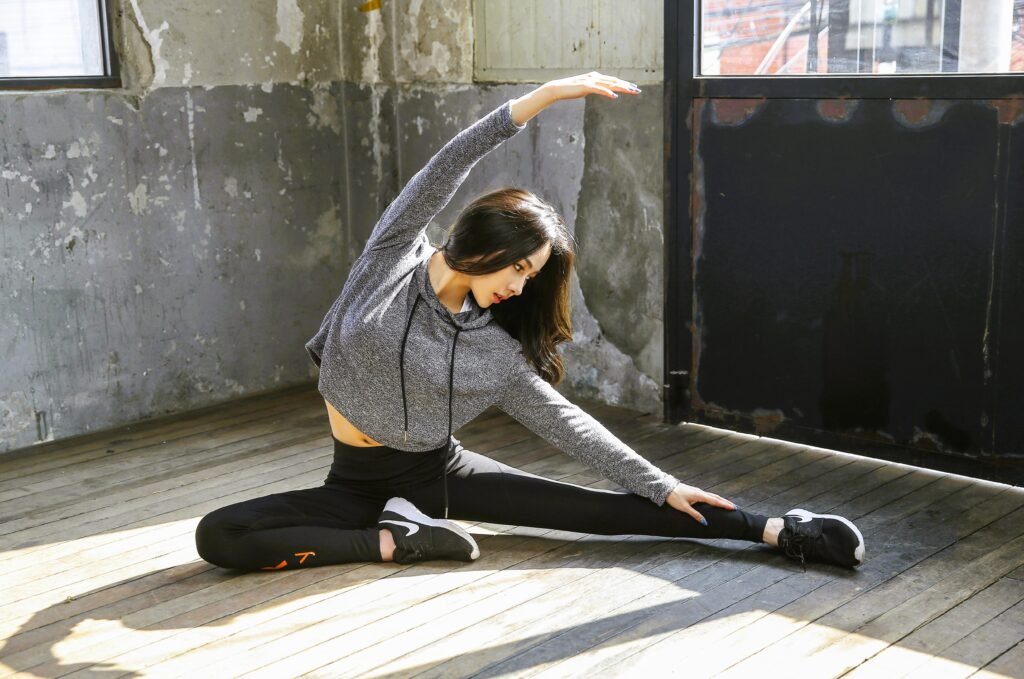
Every now and then, pulling your muscles through their range slowly makes a difference over time. When tissues stay stiff, they react poorly under pressure yet stretch often enough, those reactions soften. Movement flows better when blood moves freely, tension eases without force. The body learns ease before effort begins.
Most people overlook how stretching helps the mind. Pausing to move the body slowly brings attention inward, creating space away from daily noise. Instead of pushing through discomfort, stopping to stretch offers moments where thoughts settle. When muscles relax, so does the weight carried mentally. Because emotional state often mirrors physical ease, small routines like these add up quietly. Doing this regularly supports balance across both movement and mindset.
Stretching fits every body, no matter where you start. Because of this, fitting it into each day makes sense. A few minutes daily open doors most never expect. Moving more freely changes how you feel by noon. It shapes mornings before coffee takes hold. Your muscles learn new rules they did not know yesterday. This small act lifts the mood like sunlight through glass. Some notice better sleep long before results show elsewhere. Little shifts build without noise or fanfare. The mind clears when joints loosen at dusk.
Stretching basics explained
A key part of staying fit is stretching, helpful for improving how far you can move your joints, keeping muscles limber, while also aiding healing after effort. Begin by learning two main styles static and dynamic forms. One kind means staying still in a stretched pose, kept steady between half a minute up to one full minute. Done post workout ideally, such holds let tissue unwind slowly, gaining more give over time. Unlike static holds, moving through stretches gets blood pumping while waking up the muscles. Before intense effort begins, this kind of motion works well since it copies the actions coming later in the session.
Most people think only about muscles when they stretch. Yet tendons quietly contribute too. Ligaments matter just as much, even if rarely mentioned. Fascia slips into the picture without drawing attention. Knowing what each part does helps make sense of safe movement. Pushing too far might backfire, especially for someone new. Limits exist for a reason ignoring them invites trouble. Most new people skip the basics, yet slowing down helps more. Pushing too hard makes muscles resist, sometimes leading to strains instead of ease. Breathing slowly gives space inside, lets tension fade without effort. Warm muscles respond better, so a short prep session matters just as much as the stretch itself.
When new people understand basic stretching ideas, they build safer habits while getting more from each move. Starting slow helps avoid strain yet opens doors to steady progress over time.
Simple stretching routine for beginners
Start slow each morning with just one stretch held for thirty seconds. That moment alone wakes up muscles while quietly boosting circulation through the limbs. A quiet breath before moving into the next pose helps tune attention inward without pressure. Hold your arms high after rising from bed, reaching toward the ceiling like you’re pulling stars down. Shift gently into a side bend, letting ribs slide over hips to open the waistline gradually. Try pausing mid movement now and then stillness teaches more than speed ever could. Finish seated on the floor, legs out straight, fingertips creeping forward inch by inch. This small daily pattern builds something steady beneath the surface.
1. Head tilt time. Sit or stand relaxed first. One side at a time now ease your ear down toward the shoulder. Stay there for half a breath, maybe a little longer. Opposite side next. Tension slips away when you move slowly like this.
2. Over by your right side, slide that arm snug across your chest. Let your left arm hook under to guide it closer. Feel the pull build slow, not sharp. Stay here between half a breath and ten full ones. Swap sides when time dips low. Tightness fades easier this way.
3. Start by linking your fingers together. Reach forward with straight arms, letting your shoulders roll slightly ahead. Curve the middle part of your spine in a soft motion. Stay like that between half a minute or just fifteen seconds. Tension in the area above your lower ribs may begin to ease. A small movement, done quietly, often helps loosen what feels tight.
4. Reach up with your right hand while standing wide enough to feel space between your feet. Lean left, so your body pulls long down one side. Stay there for about half a minute. Shift to the other side afterward, doing the same move. Moving like this helps you bend sideways better over time.
5. Start seated, stretch one leg out while bringing the opposite knee close to your body. Instead of rounding your spine, lean forward gently from the hips, aiming fingertips at the far foot. Pause there for about half a minute before shifting sides. Over time, that movement eases tightness along the back of the thigh.
6. One foot at a time, pull your right heel slowly up behind you while standing. Draw it toward your backside without letting the knees drift apart. Stay like that for between half a minute and fifteen seconds, then switch sides. Your front thigh muscles get longer each time you do this.
7. The front of the body meets the wall. One foot steps backward, back heel grounded firmly. Pressure builds as weight shifts forward, rear leg locked in place. A pull emerges along the lower leg muscle. Time passes between fifteen and thirty seconds then trade sides.
Deep breaths help when you stretch. Pay attention to how your body feels so you do not push too far. Over time, doing these moves at home improves how flexible you are. Sticking with it brings better well being. Each session builds a little more.
Tips FAQs and Final Thoughts on Stretching, FAQS
Start small by picking one moment every day maybe right after brushing your teeth to stretch without rushing. Some people find quiet moments work best, like when the house wakes up or just before bed. Five full minutes of movement can shift how your body feels over time, even if progress seems slow. Pick spots in your schedule where pauses already happen, such as between tasks or once meals finish. Regular effort matters more than long sessions, so aim for steady instead of intense. Notice shifts only come when repetition becomes normal, not occasional.
Most people notice their muscles telling them something during stretches. Should pain show up, back away slowly instead of pressing forward harm might follow if ignored. When possible, pair these movements with familiar habits like yoga flows or winding down post exercise. That small shift helps turn routine motions into moments worth keeping around.
Most folks wonder how often they should stretch, plus when it works best. Three to four sessions weekly tends to bring solid outcomes. Timing shifts per person some like post exercise movement, others start their day with slow motions to wake up muscles. Morning flows may boost circulation and loosen stiff joints over hours. Older individuals might benefit from soft moves that open up tight limbs gradually. Flexibility gains help balance, which quietly lowers fall chances later in life. Posture adjusts without effort when daily habits include mindful reaches. Movement stays useful no matter age, especially when done with steady attention.
Most days, a little stretch helps the body feel better over time. Try these ideas instead of skipping it just because there are doubts. Some confusion around how or when fades once practice begins. Moving easier comes naturally after sticking with it awhile. Self care grows stronger each time muscles learn new lengths.
Read our other Blogs. Our team is working hard for every single paragraph and blog for the best information. We always appreciate you. Thank you so much.