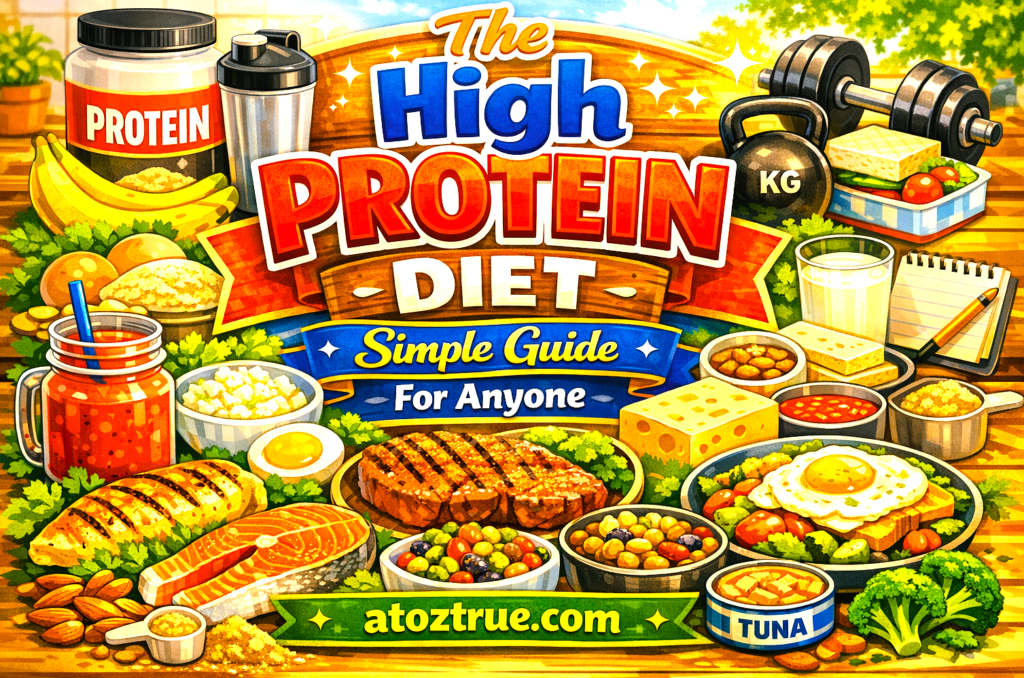
The High Protein Diet Simple Guide For Anyone
High Protein Diets Explained
Protein takes center stage when meals include more of it than usual. From breakfast onward, choices like eggs, chicken, or Greek yogurt show up often. Instead of focusing only on total calories, attention shifts toward how much comes from protein sources. Beans and almonds appear regularly, not just as sides but main features. While numbers differ across plans, one thing stays true protein fills a notable share of the plate each day.
Anyone starting out on a better way to eat finds value in more protein so do elite performers chasing peak output. Because it fixes worn tissue, protein matters when keeping muscles strong or bringing them back after strain. When workouts push the body hard, broken down fibers get patched up faster with enough of it around. Staying full between meals ? That often ties to sufficient amounts at breakfast, lunch, dinner. Hunger quiets down without constant nibbling getting in the way of goals.
When it comes to staying healthy, eating plenty of protein brings real advantages. Because the body relies on it, metabolism runs more smoothly. Muscle stays stronger over time this matters most as years go by. Without enough of it, strength fades faster than needed. Athletes need it, sure but so does anyone else who cares about feeling better each day. Starting anywhere still means progress can happen, simply by including more of what fuels the body right.
High Protein Diet Advantages
Starting strong each day might mean eating more protein, depending on your routine be it office work, starting fitness, or pushing limits in sport. Muscle grows when fed right, especially after effort like lifting or running. Repair happens faster if meals include enough of this nutrient. Gaining stronger bodies often ties back to consistent choices at mealtimes.
Beyond building muscle, eating more protein often revs up metabolism. Because protein takes longer to break down than fats or carbs, the body burns extra calories just handling it. That steady uptick in energy use adds up during daily activities. Fullness tends to last longer after high protein meals, quietly curbing cravings later on. With appetite steadier, snacking slips away without notice. Weight goals become easier simply because less gets eaten by default.
Most people with tight schedules find they stay full longer, making it easier to stick to meals without reaching for junk food. Yet those who play sports might notice their bodies bounce back faster after tough sessions while gaining power in their muscles. When protein is timed right, even stamina gets a quiet boost through grueling exercise stretches training feels smoother as a result.
Most people feel stronger when they eat more protein. A meal built around fish, eggs, or beans keeps hunger quiet longer than one filled with bread alone. When your body gets steady fuel, mornings stay calmer. Think about how much easier it is to focus if lunch does not weigh you down. Training hard? Muscles respond well to consistent nourishment. Busy parents notice fewer slumps between breakfast and dinner. Even night sleep feels deeper on days packed with quality food. What matters most shows up over weeks, not hours. Stronger bones, lighter steps these changes grow quietly.
What Your Body Requires in Protein
Most folks need different amounts of protein depending on how active they are, what their bodies look like now, and how they live day to day. Muscles rely heavily on proteins since these form their core structure. Figuring out your own requirements matters a lot if you want better results from workouts or changes in physique. What works for one person might fall short for another based purely on daily habits.
Most grownups who sit a lot need about 0.8 grams of protein for every kilo they weigh. When people move more, their bodies ask for extra protein. Those who work out often might find themselves needing much more than the base amount. Depending on how hard someone trains, needs to shift anywhere from 1.2 up to 2.0 grams per kilo becomes common. Even weekend runners or serious competitors fall into that range when effort goes up.
When shaping your body, how much protein you eat really matters. Take someone trying to shed fat but keep muscle they might need more protein, say 1.6 to 2.2 grams per kilo of body weight. On the flip side, building muscle ? Extra protein helps there too. It supports recovery after workouts, giving muscles what they need to grow stronger over time.
Older folks often need more protein because muscles tend to weaken over time. The body needs to shift depending on how healthy someone is, their age, sex, or what kind of workouts they do. When a woman carries a baby or feeds an infant milk, her body uses extra protein for growth and nourishment. Some illnesses also change how much protein a person should get each day.
Looking at these pieces together helps shape how much protein a person might need. Each factor plays a role in fitting intake to lifestyle. That balance can make a difference over time. Needs a shift, so does what works. Matching food to goals tends to go smoother this way. Little adjustments add up without calling attention. Health and results often follow that path.
High Protein Foods To Include
Protein shows up in many forms once you start looking. Some come from animals, others grow out of the ground. One kind packs certain benefits, while the other brings different effects. Choices shift depending on what matters most to each person.
Protein from animals meat, fish, eggs, dairy is packed with every essential amino acid your body needs to work well. Take chicken or turkey: plenty of protein there, without loads of fat getting in the way. Salmon and mackerel bring more than just protein; they come with omega 3s that support a healthy heart. You can boil them, scramble them, bake them eggs fit into meals any time, anywhere. Greek yogurt and cottage cheese add protein to your day, plus calcium and helpful gut bacteria along the way.
Starting with meat means facing more saturated fats, alongside worries about how animals are treated. Because of the planet too, some rethink where they get their protein. Each person might weigh those points differently before deciding what to eat.
Yet another choice shows up in plants beans, lentils, quinoa, nuts with real value for people cutting back on meat or living without animal products. Take legumes like black beans or chickpeas: strong in protein, rich in fiber, kind to digestion. What makes quinoa different ? It delivers every essential amino acid the body can’t make alone. Meanwhile, nuts and seeds mix solid protein with good fats, turning into a sensible bite between meals.
Not every plant protein packs the full set of amino acids found in animal versions. So eating a wide mix of foods becomes key when depending mainly on plants. That way, nutrition gaps stay covered without leaning on meat.
Simple Meal Planning for People with Busy Schedules
Starting a high protein eating plan might feel tough when days stay packed, yet good meal organization turns it into something doable even satisfying. Getting ahead on cooking makes all the difference if mornings rush by and evenings fill fast. One weekend hour set aside helps more than expected; use it to ready core items in bulk. Think grilled chicken, baked turkey, or boiled beans made in quantity, then split into containers. These keep handy so grabbing lunch or dinner takes minutes instead of stress.
Start mixing up your weekly meals with different kinds of protein. Try dishes using chicken, salmon, hard boiled eggs, yogurt, almonds, or cooked quinoa at separate times. A set schedule helps save mental energy when time feels tight. Knowing tomorrow’s dinner already fits into a pattern keeps eating steady without extra thought.
Most days, a good snack moves with you no fuss needed. Think thick yogurt tucked in a bag, small packs of nuts spread through lunchboxes, or soft cheese in single servings. Some folks grab ready made bars when minutes are short. Another trick pick one type per day so choices stay fresh, never boring. Planning it that way keeps eating steady, close to what the body actually wants.
Later on, think about getting storage boxes safe for freezer and microwave use. Packed ahead of time, they hold full meals waiting just for you. Egg cups come together fast so do blended shakes, soaked oats by morning light. With little effort, each choice slips into your day protein stays steady regardless of rush.
Including Protein in Daily Meals
Breakfast sets the tone fill your bowl with Greek yogurt, or crack open a couple of eggs, maybe blend up something thick using protein powder, fruit, and almond milk instead. A smooth move ? Swapping usual carbs for these at dawn gives staying power till lunch. Fullness sticks around longer when meals carry weight early. Midmorning munching shifts smarter once protein leads the way.
Later at lunch, filling bowls with greens plus beans pack a strong nutritional punch. Try tossing in some grilled chicken, chickpeas, or quinoa each boosts protein fast. Or go another route: tuck slices of turkey or bits of cooked fish into a wrap. That kind of meal holds flavor tight while making sure you get more protein without extra effort.
Later at night, try including something rich in protein think grilled fish, sautéed tofu with veggies, or a thick stew made of beans. Alongside that plate, add some greens plus brown rice or another grain to keep things even. Another idea: tossing lentils into soups, or using black beans in meals helps lift how much plant powered fuel you get each day.
Most people forget how useful snacks can be when trying to get more protein. Try choices like boiled eggs, a handful of assorted nuts, or bars made with quality protein instead. Cheese sticks go well with apple slices or grapes simple, tasty, full of what your body needs. Staying fueled between meals becomes easier without sudden dips in alertness. Hunger fades into the background when these options take center stage.
Most days, hitting your protein goals comes down to small shifts in what you eat. A teacher, a student, or someone training hard might find that mixing different foods works best. Instead of sticking to one option, try switching between beans, meat, yogurt, or lentils throughout the day. Meals become richer without feeling forced when variety leads the way. Even snack times offer chances nuts, cheese, or hummus add up quietly. It is less about effort, more about choices made often. Over time, those pieces fit together naturally.
High Protein Diet Errors to Skip
Starting strong with extra protein might help grow muscle, manage body weight, and stay full longer. Yet people often trip up on this path without noticing small errors creeping in. Knowing those missteps matters keeps effort aligned with real results over time.
Skipping carbs and fats gets overlooked more than it should. Even though muscles need protein to heal and grow, mixing all three big nutrients keeps the body running right. From hard workouts to basic cell jobs, fuel comes mostly from carbohydrates. The same way, hormones depend on good fats just as much as they do on vitamins. A plate with each of these pieces in mind prevents gaps before they start.
Too much processed protein shows up often in meals these days. People reach for powders, bars, or packaged bites yet skip basics like chicken, beans, tuna, or almonds. Convenience pulls hard, sure, but leaning only on factory made picks brings along extra junk: sweeteners, preservatives, oils you don’t need. Eating close to the source helps avoid that clutter; real foods pack more than just protein they carry nutrients hidden in every bite. Balance swings better when plates hold fewer wrappers and more texture.
Water matters more than most think when eating lots of protein. Without enough fluids, kidneys struggle to handle the extra workload from breaking down protein. Waste builds up if liquid levels drop too low. Every day, drinking plenty keeps things moving smoothly inside. Bodies need that flow to manage higher amounts without strain.
Most people trip up in similar ways when eating high protein. Fixing those errors helps make the path clearer. One stumble at a time, better choices take hold. Sticking to it gets easier once missteps fade. Smarter moves replace old habits without force. Progress shows when adjustments stick around. Fewer blunders mean smoother days ahead.
Frequently Asked Questions About High Protein Diets FAQS
Protein-heavy eating patterns draw plenty of interest thanks to noticeable perks but doubts pop up just as fast. Safety worries creep in. So do questions about results, even how to follow such a plan day after day. These frequent uncertainties ? They’re exactly what the upcoming answers dig into.
A. Could eating lots of protein cause problems for some people ?
Not everyone fits the same mold, especially when eating lots of protein. Those dealing with kidney issues might find too much protein tough on their body. Talking to a doctor first helps figure out if more protein makes sense. Personal goals matter just as much as the food on your plate.
B. How do I balance protein intake with carbohydrates and fats ?
Most folks find steady fuel by balancing big nutrient groups just right. One way that often works uses four of every ten calories from carbs, three from protein, three from fat. Getting enough power each day links closely to this split. Protein stays high here, helping muscles without slowing anyone down.
C. Weight loss possible with high protein foods ?
Heavy on protein? It can curb hunger, leading folks to eat fewer calories without even trying. Digesting protein burns extra energy more than what happens with carbs or fat during breakdown. Still, lasting results show up best when meals are well-rounded and movement becomes routine.
D. Are high protein diets suitable for athletes ?
Most athletes need more protein so muscles heal and grow after workouts. When training gets harder or longer, adjusting how much protein they eat makes a difference later. Some days call for less, others demand more usually between 1.2 and 2.0 grams per kilo of body weight fits best.
Finding your way through a high protein diet gets easier once common questions come into view each answer adds clarity, shaping how food decisions take form. Instead of guessing, learning step by step builds confidence in what meals truly do.
High Protein Diet Adopted
Most folks find more strength when meals include extra protein, especially if days stay packed. Not only does it help build muscle, but staying full longer matters too useful at any fitness stage. Some notice quicker recovery after workouts, others simply feel sharper by midday. Energy shifts quietly yet clearly once food choices change. Even those not chasing records benefit from steady fuel through long hours. What stands out is how deeply body functions tie into what we eat each day.
Busy people often find it fits naturally into their day plenty of ready made choices now pack plenty of protein. Start with basics like chicken, lentils, yogurt, tofu, or chickpeas; these build meals fast while supporting better nourishment. Not every path looks the same: some skip meat entirely, yet still meet needs through smart swaps and mindful picks. What works shifts from person to person one size never fits all.
Most athletes find their bodies respond well when plenty of protein stays in the daily routine. Recovery speeds up, muscles mend faster, because of it. After exercise, eating some becomes even more effective. Strength builds slowly, step by step. Growth follows, along with stamina, if timing aligns right. Each meal moment matters, not just the big ones.
Start strong with extra protein each day, because shifts in how you feel might follow. Instead of chasing quick fixes, try building meals around eggs, beans, or chicken simple choices often stick better. When hunger hits between lunch and dinner, grab something rich in protein so energy stays steady. Some people find their workouts get easier after making this switch. Staying full longer helps avoid constant snacking, especially during long work stretches. Results differ, yet many notice changes in strength or body shape over time. Planning ahead keeps things moving when days turn hectic. What matters most is consistency, not perfection. Give it a few weeks before deciding if it fits your rhythm.