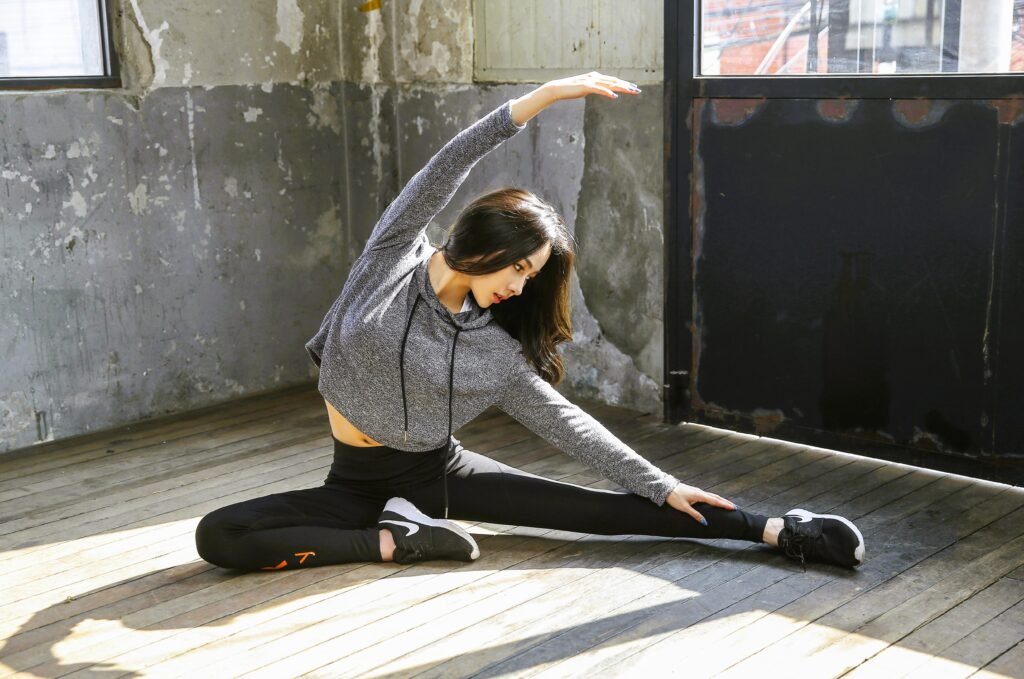
Simple Meditation Guide for Beginners and Professional Athletes
Introduction to Meditation
Long before today’s busy world, people sat quietly to clear their minds. From old traditions across Asia came ways of stillness tied to spiritual paths like Hinduism, then later shaped by Buddhist teachings too. Some records hint at quiet sitting practices nearly five millennia back. Time changed how it looked, yet the core stayed focusing inward without distraction. Now, many turn to these moments of pause not for religion but for balance amid daily strain.
Most people, from newcomers to top athletes, now meditate more often because it helps in many ways. Studies reveal consistent meditation sharpens attention, balances emotions, stills thoughts key traits for stronger thinking skills. High performing sports figures especially see value in staying calm under stress, since clear focus shapes success moments. Yet even outside competition, steady awareness builds resilience through daily demands.
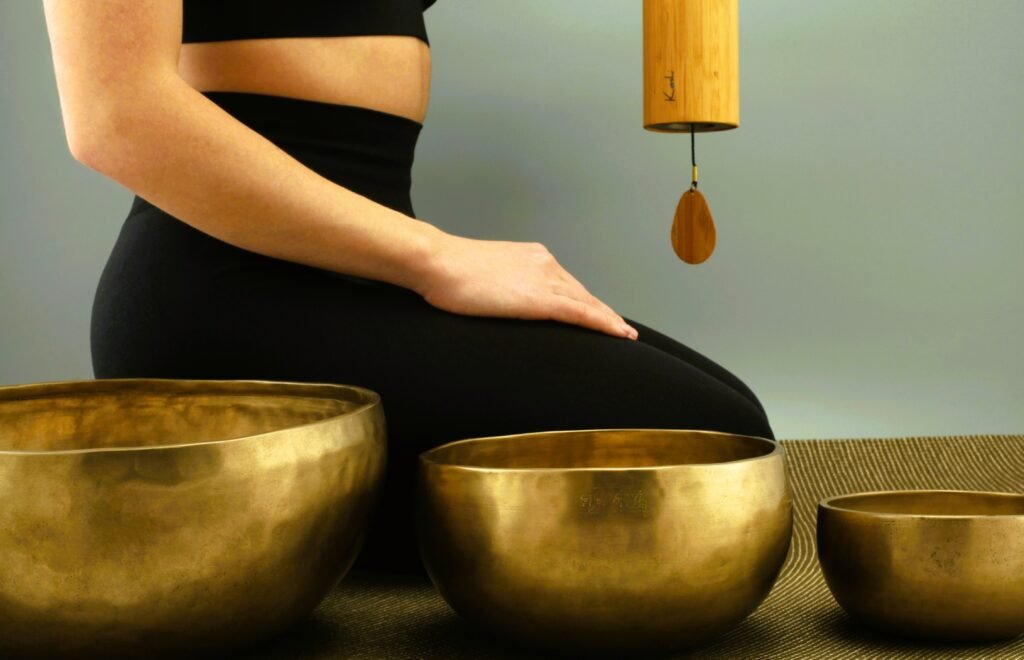
When the mind settles, the body moves better. Stress fades through stillness, creating space for strength. Some runners breathe deep before dawn, finding balance that sharpens turns on the track. Focus grows not from force, but from quiet moments between reps. Healing speeds up when tension lets go. Those who pause mid routine often dodge strains others face. Awareness rises without effort, shaping choices during sprints and climbs.
Nowhere is calm found easier than in the quiet moments built by repetition. People everywhere, not just runners or trainers, begin sitting quietly each morning instead of rushing. Some start slow, others jump right into longer sessions either way works fine. Over time, minds sharpen while stress fades like footprints in sand. Strength grows not in muscles but in how decisions get made during tough days. Performance shifts without chasing it, simply because attention sticks where it should. This habit fits anyone willing to try, no uniform required.
What meditation is and how it helps
Stillness shapes thought, one breath at a time. Across ages and continents, people have sat quietly, tuning inward through methods like mindful breathing, visualized journeys, or silent repetition of sounds. Attention grows when tended gently, much like light spreading slowly across a room. This quiet work opens space not for answers but for noticing what already lives within. A clearer sense of self often follows, not by force, but simply because listening begins.
Most people know meditation helps the mind. Newcomers might find it sharpens attention, making everyday moments easier to stay tuned into. Professionals in sports sometimes use that calm awareness to lift how they perform when tested hard. Staying steady mentally could come from consistent time spent meditating, studies point out. Tough times under stress? That inner strength may grow stronger with quiet practice.
Most people feel calmer after meditating, mainly because it slows down mental chatter along with bodily tension. A quiet mind tends to go hand in hand with reduced cortisol, the chemical tied closely to stress reactions. Instead of staying tense, the body shifts into rest mode easing pressure on both brain and organs. Less ongoing stress means fewer risks piling up over time for conditions linked to strain. Health gains come not just from thought patterns but from how deeply the body resets during stillness.
Besides those perks, sitting quietly each day lifts a person’s mood through deeper rest, steadier emotions, little surges of confidence. When it comes to sports, that inner balance matters just as much as strong muscles focus holds together when pressure builds.
Whatever your starting point, sitting quietly with purpose opens doors. Whether new to stillness or pushing physical limits, attention trained inward makes space for change. Doing it each day shifts something subtle yet real. Minds sharpen when given room to settle. Tension eases without force. The body responds in ways hard to name but easy to feel. Little by little, presence grows stronger than distraction ever was.
Basic ways to start meditating For Beginners
Anyone can try meditation, even if they have never done it before. Starting out might feel odd, yet a few basic methods work well for new learners. Mindfulness begins by sitting quietly and noticing thoughts without reacting. Instead of focusing on goals, pay attention to sounds, sensations, or the space around you. Guided sessions involve listening to someone walk you through mental images or calming ideas. You follow along, letting the voice shape your focus. Breathing slowly becomes the center when practicing breath awareness. Sit still, close the eyes, then watch each inhale and exhale like waves rising and falling. Each method stands alone, though mixing them sometimes helps deepen quiet moments.
Start by sitting down in a way that feels good, keeping your spine upright yet loose. Your eyelids can drift shut without force while you tune into what’s around you. Instead of chasing thoughts, bring your awareness to how air moves in and out. Breathe in fully using your nose so your chest expands, followed by a long outward release through parted lips. When a thought shows up, notice it before softly bringing attention back to breathing. Try doing this for five or ten minutes at a time, slowly adding more minutes as it starts feeling natural.
Start here if you like clear steps guided meditation fits well. Try one of many apps or websites where skilled guides lead the way. Pick a session that matches what you need, maybe calmness, less worry, or sharper attention. Settle into silence, get seated in a relaxed way, then press play on the audio. Start by tuning into the guide’s words, letting them shape your thoughts on imagery or concentration. That kind of direction often helps beginners find their way into stillness.
Start by settling into a comfortable seat or lying flat. Pay close attention to how air moves through your nose when you inhale, feeling its chill. Stay present with each breath cycle without adjusting it. The moment you notice thoughts drifting, gently return focus to airflow. Warmth shows up as you release the breath, different from the incoming cool touch. Resting fully helps maintain steady observation of this rhythm. When something pulls your attention away, guide it softly back to breathing. Begin short, just a couple of minutes at first. Over days, let the time grow slowly on its own.
Start quiet mornings by sitting still for just five minutes. This small habit builds up over time, yet brings noticeable shifts in how you feel each day. A steady rhythm forms when pauses become part of your schedule instead of afterthoughts. Moments like these soften reactions, even during busy hours. Inner balance grows quietly, almost without notice, while stress loses its grip slowly. Peace isn’t forced here it settles naturally through repetition.
Deep Focus Methods Used by Pro Athletes
Top performers look for ways to get better. Yet few consider how quieting the mind might help. Transcendental meditation becomes key here. A personal sound is repeated without effort. Thought settles. Clarity follows. Instead of pushing harder, they let go. The mental noise fades slowly. Pressure eases almost without notice. Focus sharpens when it matters most. Tension slips away like weight lifted at dawn. Performance improves not by force but balance.
Picture this athletes closing eyes, running through moves before they happen. Not just thinking it, but feeling the motion like it’s real. One moment they’re still, next they’re moving fast inside their head. It helps them stay calm when everything gets loud around them. Success feels closer because they’ve already seen it play out. Some find focus sharper after doing this regularly. Their body hasn’t acted yet, though the mind has trained hard. Studies show results go beyond muscle memory it shapes attention too.
Now here’s something different repeating certain words or sounds can deepen attention during meditation. Not just sitting quietly, but using rhythm in speech to sharpen the mind. When athletes try this, focus often becomes steadier, almost like an anchor mid motion. Instead of chasing calm, it shows up through patterned voice loops. Stability comes not from force, but from returning again and again to one phrase. Clarity grows when thoughts stop scattering across every possible direction. Through tough drills or high-pressure moments, the habit holds quiet strength beneath effort.
Most top athletes find their edge not just in training, but in quiet moments between reps. When stillness becomes part of preparation, attention sharpens without effort. Emotions settle like dust after a storm. Mental strength grows where breath is noticed, not controlled. Routines gain depth when silence takes up space beside sweat and drills. Excellence moves closer each time the mind learns to stay without chasing anything.
Designing a Quiet Corner at Home for Mindfulness Practice
Setting up a spot just for meditation helps improve how you meditate, no matter if you’re new or have been doing it for years. Peace comes easier when the place feels cozy, open, yet shielded from noise and interruptions. Pick somewhere that fits maybe a still part of your house, a hidden patch outside, or a tucked away bench near trees.
Start with how light shapes the feel of your meditation spot. Near a window lets sun slip in gently, which tends to work well for quiet moments. When daylight is out of reach, try soft glow bulbs or candle flames instead. These bring calm without shouting for attention. Harsh beams ? They pull thoughts away. Flicker too much and the mind stumbles trying to keep up.
Most people find quiet helps their meditation, yet stillness isn’t always best. A rustling forest, slow piano notes, even steady hums these often bring deeper calm than total silence. Apps with whispered guidance or drifting tones sometimes anchor attention better. When traffic rumbles outside or neighbors interrupt, thick fabric on walls absorbs echoes. Soft barriers built around the space soften interruptions too.
Pick stuff that feels right to you. A gentle mat, some pillows, or a cozy seat each one shapes how well you settle into stillness. Maybe bring in greenery, stones, or things holding memories they tie you closer to where you sit. When your spot reflects who you are, showing up there becomes natural. Over time, that familiarity feeds the quiet and balance meditation offers.
Meditation Meets Movement
Most people find that adding quiet sitting time helps their training work better. Sticking to a regular pattern matters most. Newcomers might try five to ten minutes of stillness either before movement or just afterward. That stretch offers space to notice breathing plus tune into how the body feels right then. Those who compete often sit longer, using extra moments to strengthen inner readiness.
Start slow with movements like yoga or tai chi each pose links body motion to quiet thinking. This kind of activity builds strength, yes, yet it also keeps thoughts steady on purpose. When pushing hard in intense training, some find rhythm by syncing breath to effort. Controlled breathing slips into the background at first, then shows up strong when energy fades near the end.
Later in the day, how someone schedules meditation around workouts often comes down to personal choice. Before a race, quiet thinking could sharpen attention, yet some feel better unwinding with it after sweating it out. Trying different moments matters what clicks depends on what each person wants from their training. Writing down thoughts afterward, noticing shifts in strength or stamina, sometimes reveals patterns worth keeping.
Start slow when adding meditation to workouts it fits better that way. A plan built around both mind and body works best when it feels natural. Progress shows up quietly, through steady effort and small adjustments. Growth sticks when practice lines up with personal rhythm. Resilience grows where consistency meets patience.
Meditation Mistakes And Tips
Starting out, many people face different hurdles while learning to meditate. A common one ? Getting sidetracked by interruptions. Sounds around you, a busy head, or an ache in your body each can disrupt the moment. These breaks happen. They belong there. Knowing they’re usual helps more than fighting them. Start with a spot that feels calm. A chair that supports you well makes a difference too. When sounds distract, try blocking them gently with special headphones. Paying close attention to each inhale or repeating a soft phrase helps over time. The mind wanders bring it back without force.
Most beginners struggle with waiting. Right away, some hope for deep clarity or quick calmness. Yet meditation grows slowly through steady effort over weeks. A small target helps try sitting quietly for three minutes at first, then add more later. Doing so turns practice into something doable, even satisfying step by step.
Thoughts during meditation often get a bad reputation. Many people starting out think silence in the mind is the goal. Actually, having distractions happens every time. Noticing them without clinging becomes more important than stopping them. The breath serves as an anchor when awareness wanders off track.
Pick one spot, use it every time you sit down to meditate. Each morning or evening, make that moment part of your routine instead of waiting for free minutes. Write notes right after, while thoughts are still fresh, just short lines about what showed up. Slipping into old habits happens, yet small fixes often bring steady progress without effort. Even those who’ve practiced years find value in keeping things simple and close at hand.
Frequently Asked Questions About Meditation FAQS
Older than cities, meditation draws curiosity across walks of life students, soldiers, even sprinters chasing calm minds. This part answers frequent thoughts people bring up about sitting still and breathing on purpose.
Start small when you sit to meditate. Some find five minutes enough at first, others stretch it to ten without effort. Over time, sitting longer feels natural fifteen, then twenty, maybe thirty. What matters most isn’t the clock ticking but showing up each day. Short sits add up when done daily long ones skipped do little good. Progress hides in routine, not minutes.
Most people wonder if they’re able to do it meditation turns out to be open to everyone. Age makes no difference, neither does where someone comes from or their body’s state. Taking part isn’t limited by ability there’s no test to pass first. Skills aren’t needed beforehand, experience matters little here. Starting fresh ? That fits just fine. Sticking with it matters more than anything else when building a routine that fits just right. Mindfulness might click for some, while others lean into guided sessions or quiet repetition instead. What works shifts from person to person, quietly shaping practice over time.
Thoughts drifting off mid meditation ? That happens a lot, particularly at first. It just means the mind doing what minds do pulling attention elsewhere. When it does, notice without reacting, then softly return to breathing or where you are right now. With regular practice, most people start catching those slips faster and staying more grounded.
With time, sitting longer each day might shift how clear thoughts feel. When someone starts down this path, small doubts need space to be looked at. What comes up matters just as much as what fades away.
Meditation And Balance
When you finish reading this full walkthrough, one thing stands out meditation shifts how both new learners and top athletes handle their days. It acts like quiet training, touching thoughts, feelings, body strength, without needing loud effort. What shows up isn’t only useful during workouts or competition it helps anyone moving through ordinary hours. Just sitting still, paying attention, becomes something everyone might carry, no matter their path.
Start anywhere. Morning stillness might greet you like an old friend, while longer pauses through the day unfold space inside your thoughts. Sticking with it matters most moment after moment adds up, even when days shift unpredictably. Presence grows quietly, one breath at a time, shaping how you meet tension or distraction. Focus settles without force, simply because attention learns to stay. Connection to self deepens not by chasing it, but by showing up.
Meditation quietly strengthens how people handle stress, especially when things get tough. When athletes face intense moments, their minds need steady tools this practice offers exactly that. Pressure shows up everywhere, not just sports, yet staying focused becomes easier with regular stillness. Clearer thinking emerges not from effort alone, but from repeated calm. Performance shifts, almost without notice, when the mind learns to pause.
Start here, if you like try just one minute of stillness each day. Maybe sit quietly instead of reaching for distractions; let that be enough at first. Over time, shift between methods breathing, observing thoughts, walking slowly to see what fits. This path isn’t about getting anything right it unfolds differently every day. Think of it as showing up, again and again, without needing results. Little by little, moments add up, shaping how you move through work, relationships, everything else too. Read our other Blogs. Our team is working hard for every single paragraph and blog for the best information. We always appreciate you. Thank you so much.