How to Lose Weight at Home Without the Gym: A Beginner’s Guide
How to loss weight at home
Introduction
Home based weight loss works well, particularly when gyms feel overwhelming or too far away. Grasping how simple exercises function helps people begin improving fitness right where they are. Realistic targets matter most small wins keep effort alive while building long term habits quietly into daily life. Working out at home brings many perks for people aiming to shed pounds. Since you stay where you feel comfortable, there is no need to commute or sign up for expensive fitness centers. That ease often leads to sticking with it key when goals take time. Instead of fixed hours, routines bend around your day, making movement happen more regularly. When exercise fits like this, effort tends to grow without extra willpower. Home workouts fit how you feel on any given day, matching your mood or energy. When routines bend to what you like maybe just stretching, maybe jumping along to a video. it sticks better. Some people grab dumbbells; others move slowly on the floor. Enjoyment grows when it feels right, not forced. Sticking with it becomes natural if moving doesn’t feel like work. The longer it stays fun, the longer people keep showing up. A fresh start often waits where you least expect inside your front door. Not every change needs a crowd or special gear, just steady choices made daily. Some days move slow, others bring small wins without warning. Progress grows when habits stick, even if no one sees the effort. What matters most shows up long after the first step was taken.
Understanding Nutrition for Weight Loss.
Starting with food choices shapes how well you lose weight. Look at what goes on your plate if getting lighter matters to you. Proteins, carbs, and fats make up the big parts of eating right, while tiny helpers like vitamins and minerals do their job behind the scenes. Health stays steady when all pieces show up regularly. Weight that drops sticks around longer this way. Muscle healing and building rely heavily on proteins, making them central to shedding pounds. From chicken to beans, picking lean options keeps hunger at bay while cutting down calories. Energy for moving through your day comes mainly from carbs, even though people get them wrong sometimes. Whole grains and veggies beat sugary snacks when it comes to steady fuel and balanced glucose. Avocados, nuts, and olive oil deliver good fats that help absorb vitamins plus supply needed fatty acids. Few things matter as much as the tiny helpers vitamins and minerals even though they’re needed in small amounts. These essentials keep the body running smoothly, often affecting weight changes without fanfare by ramping up metabolic activity while improving general health. Whole foods shine here because they deliver more nourishment per bite compared to refined options filled with calories that offer little else. Their natural density makes them a steady choice when aiming for balanced intake. Picking meals to match how you move your body starts with watching how much goes on the plate plus paying attention while eating. Noticing when you’re actually hungry helps skip extra bites later. Water matters more than most think sip it often since it keeps inner systems running smooth. Put these pieces together, living shifts quietly toward balance, weight eases off without force.
Effective Home Workouts to Lose Weight.
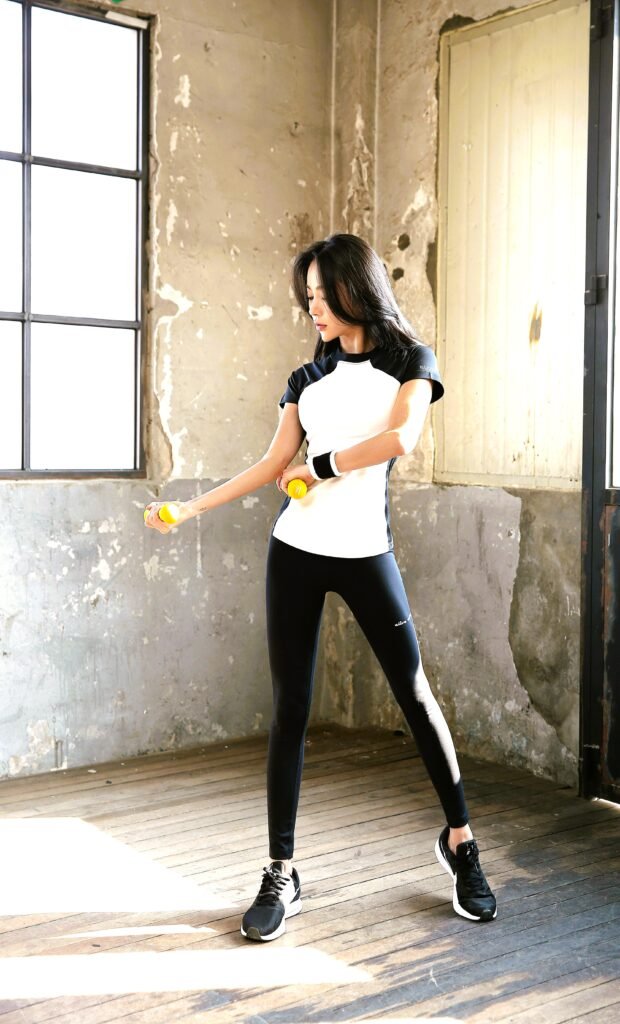
Starting to lose weight at home often brings mixed feelings. Cardio gets things moving, while lifting weights builds lasting change. Try stretching regularly flexibility matters just as much. A solid plan includes these elements without needing special gear. Simple moves done daily add up over time.
No gym?
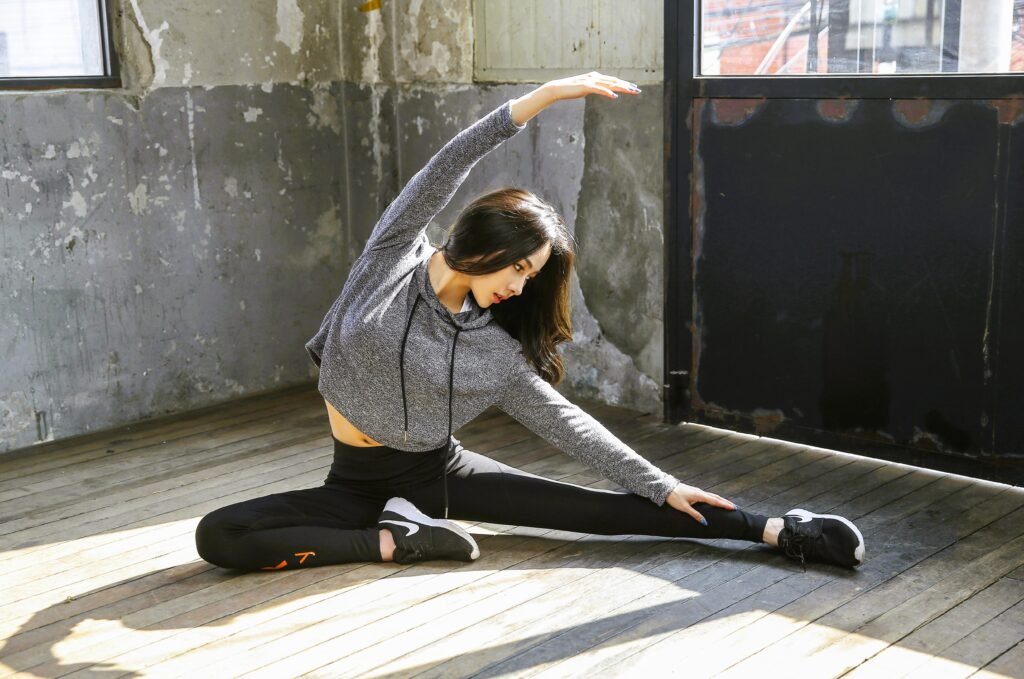
That is fine. Most work happens with little space. Focus stays better when routines feel doable, not extreme. Each session counts even if short or slow. Consistency quietly does more than intensity ever could. These habits form steady progress, nothing flashy just real results. Moving your body through cardio burns energy while boosting heart strength. Activities full of motion jumping jacks, lifting knees fast, running on the spot push your pulse higher and assist in shedding fat. Try doing these moves thirty minutes per session, spread across three to five days each week. One way to arrange it: start with jumping jacks, then switch to high knees, using bursts of half a minute active time plus short rests of fifteen seconds. That rhythm keeps things lively, also cranking up how much you burn. Strength training matters just as much as cardio when it comes to shedding pounds while gaining muscle. Push ups, squats, and lunges work well without needing any gear at all. To cover all bases, try push-ups for arms and chest, squats to strengthen legs, then lunges to steady your center. Each move should be done in two or three rounds, between ten and fifteen times per round, staying careful with how you move so nothing gets hurt. Moving your body through practices such as yoga helps keep you fit. A short stretch session lasting between ten and fifteen minutes may loosen tight muscles while supporting healing. Try starting workouts slowly, easing into motion with soft movements that prepare the joints. Finish the same way, letting mild holds release tension so movement feels smoother later.
One way to stay on track?
Mix up your routine by switching exercise types each day. Try jogging or cycling Monday, Wednesday, and Friday instead of repeating the same moves. On Tuesday and Thursday, lift weights or do bodyweight drills at home. Shifting like this helps burn fat while keeping things fresh. Doing similar sessions too often can feel stale, so changing it slightly keeps energy up. A steady rhythm builds habit without feeling forced. Enjoyment matters just as much as effort when working out alone.
Tips for Staying Motivated and Overcoming Challenges.
Starting your weight loss at home might feel tough, yet it often brings quiet wins. Realistic targets keep things moving, step by step. Each one becomes a checkpoint, something solid to measure against. Hitting a goal say, ten workouts in four weeks adds up without fanfare. Losing a few pounds monthly isn’t flashy, but it counts. Progress shows best in moments nobody sees. Noticing how far you’ve come keeps things moving. Try writing down meals, exercise sessions, or changes on the scale either in a notebook or through an app. That glimpse of change often sparks energy when effort feels low. Look at what’s working every so often, then tweak targets if they feel too tight or too loose. Staying flexible like that makes sticking with it easier over time. Someone walking beside you might just keep you coming back when mornings feel too heavy. Sharing small wins with a person who gets it maybe online, maybe next door adds quiet strength along the way. When effort feels invisible, another voice noticing changes helps you see them too. No grand promises, only real talk between people trying, stumbling, pushing forward together. A shared struggle rarely feels quite so long when there’s laughter after a tough session. Even silence over texts on hard days says: I know, me too. Lots of people struggle with fitting exercise into tight schedules or cramped living spaces. Because of this, short routines that need little room often work best. Try bursts of fast movement followed by rest instead of long sessions they fit better in tiny apartments.
Another way?
Use your own body weight; no gear needed, just floor space near the couch. Maybe move right after waking up or squeeze it in between meetings at noon. That kind of timing makes motion part of normal hours, not something extra. Some find rhythm when effort slips quietly into daily gaps. Here is how it works: cheer yourself on with small wins to keep going. When you hit a target, give yourself something that fits like fresh exercise clothes or time to unwind. Little by little, these steps build space where losing weight feels doable. They hand you what you need when things get tough, helping you stick with what matters most.
Frequently Asked Questions
How much time should I commit to workouts ?
Some days might only leave room for twenty minutes. Yet even short sessions, done three to four times weekly, often bring change. When things start feeling easier, longer stretches could help shift more weight. Fitting movement into real life matters most otherwise it fades fast. Sticking with it beats pushing hard then quitting.
What type of exercises can I do at home?
Plenty of workouts work just fine right at home, zero gear needed. Push ups, squats, then lunges each one builds strength using only your body. Yoga slips in flexibility, while Pilates tightens core control. HIIT bursts into play when speed and burn matter most. Videos pop up everywhere, guiding moves so form stays sharp. Apps nudge habits forward, even on slow days. Progress often hides in consistency, not complexity.
How do I handle weight loss plateaus?
Stuck spots show up often when losing weight. Different things might cause these, maybe food choices or how the body burns energy. Trying new exercises could help shift things, changing how much you eat works too. Tiny tweaks sometimes change everything. Hang in there, keep going, results come in waves not straight lines.
Rest Days Are Part of Progress?
Some days off help your body bounce back, keeping things running smooth. Muscles rebuild and gain strength when given a break, which means fewer setbacks. One or two full pauses each week fits most plans, especially if workouts hit hard or happen often. When tiredness lingers or stiffness shows up, that is a sign more downtime could help. Slowing down now can keep progress moving later.
How much should eating habits shift?
What you eat matters when shedding pounds without leaving home. Build meals around real food think apples, spinach, chicken, brown rice. Instead of guessing how much to eat, pay attention to serving amounts while cutting back on snacks from boxes or bottles. Water keeps things running smoothly inside your body, so sip it often between morning and night. Writing down what lands on your plate lets you spot habits that slow progress or speed it up.
Conclusion Embrace Your Fitness Journey.
Starting to lose weight at home works just fine for many people. Change happens slowly when meals get better, even if nothing else shifts right away. Moving more each day makes a difference, whether it’s stretching or walking around the living room. Some find success by swapping snacks first, others by adjusting sleep schedules early on. Progress shows up differently depending on habits already in place. Effort counts most when routines stick through small choices made daily. Sticking with it matters most when trying to lose weight. Progress shows up differently for everyone, so clear expectations help keep things steady. Small wins add up notice them, because they shape bigger changes later. Kindness toward yourself grows a mindset that lasts. Success stays within reach when care comes first. Staying up to date on food choices, ways to move your body, yet also daily habits makes a difference. This path to feeling better never really ends each step brings something new to discover. Talking with people online or reaching out to experts opens doors you might not expect. Knowing others walk beside you changes how it feels, while telling your story adds depth you may not predict. One day at a time, small choices add up begin now, even if it feels awkward. Hard work shapes change, especially when done consistently inside your own space. No need for fancy gear; just motion, repetition, quiet effort each morning. Results grow slowly, like plants under kitchen lights, unnoticed until they bloom. Staying steady matters more than speed, more than loud promises made in January. Plans fail when too rigid, so adjust often, listen closely to how your body responds. Motivation fades, sure – but routines built quietly last longer than excitement ever could. Home becomes a place of strength when used right, not just for rest but for growth. Goals help, if they’re real: walk five minutes more, drink water before coffee, stand while reading. Progress hides in tiny shifts most overlook the extra stretch, skipping the snack, breathing deep after effort. Working out at home brings plenty of perks for people aiming to shed pounds. Being able to move anytime matters no commute, no monthly fees, just space you already know. When workouts happen right where you live, sticking with them feels easier. Because of that, people often find a rhythm they can keep over time. This kind of steady effort matters most when goals stretch far ahead. At home, any hour can become exercise time morning, afternoon, or late evening. That freedom means fewer excuses, more movement, better outcomes. Home workouts fit how you feel on any given day. Because people pick moves that match their strength, the routine sticks better. Some follow video guides. Others rely on what their body can do alone. When gear is needed, just a mat might suffice. What matters most finding motion that feels right. Joy sneaks into effort when it aligns with preference. Routines built this way often last longer. People stay active simply because it stops feeling like work. Effort flows easier when choice leads. Home might be where change really kicks off, if you happen to be thinking about losing weight. A steady mind and daily effort make real progress possible without ever stepping into a gym. Starting small doesn’t mean staying small push through, pick smart moves, results grow over time. Lasting shifts come not from quick fixes but from what you do again and again between four walls. Read our other Blogs for more Information. Thank you so much, good luck.